IOT & Blockchain
 IOT & Blockchain 5 min read| 31 Aug 2026
How Blockchain is Enhancing Intellectual Property Rights and Protection
Intellectual property (IP) rights are essential for protecting creations of the mind, including inventions, literary and artistic works, designs, and symbols. However, managing and enforcing these rights can be complex and challenging. Blockchain technology offers innovative solutions for enhancing IP rights and protection by providing a secure, transparent, and immutable ledger for recording and verifying IP assets.
 IOT & Blockchain 5 min read| 11 Jun 2026
Decentralization in Blockchain: Redefining Trust in Digital Transactions
Decentralization is a core principle of blockchain technology, fundamentally altering how trust is established and maintained in digital transactions. Unlike traditional centralized systems, where a single authority controls data and transactions, blockchain distributes these responsibilities across a network of nodes.
 IOT & Blockchain 6 min read| 13 Aug 2026
Hacking the System: Ethical Hacking for a More Secure Blockchain
Ethical hacking plays a crucial role in identifying vulnerabilities and enhancing the security of blockchain systems against malicious attacks.
 IOT & Blockchain 5 min read| 04 Aug 2026
Building the Trust Machine: How Blockchain is Revolutionizing Trust Systems
Blockchain technology is transforming trust systems by providing secure, transparent, and decentralized solutions.
 IOT & Blockchain 15 min read| 14 Sep 2026
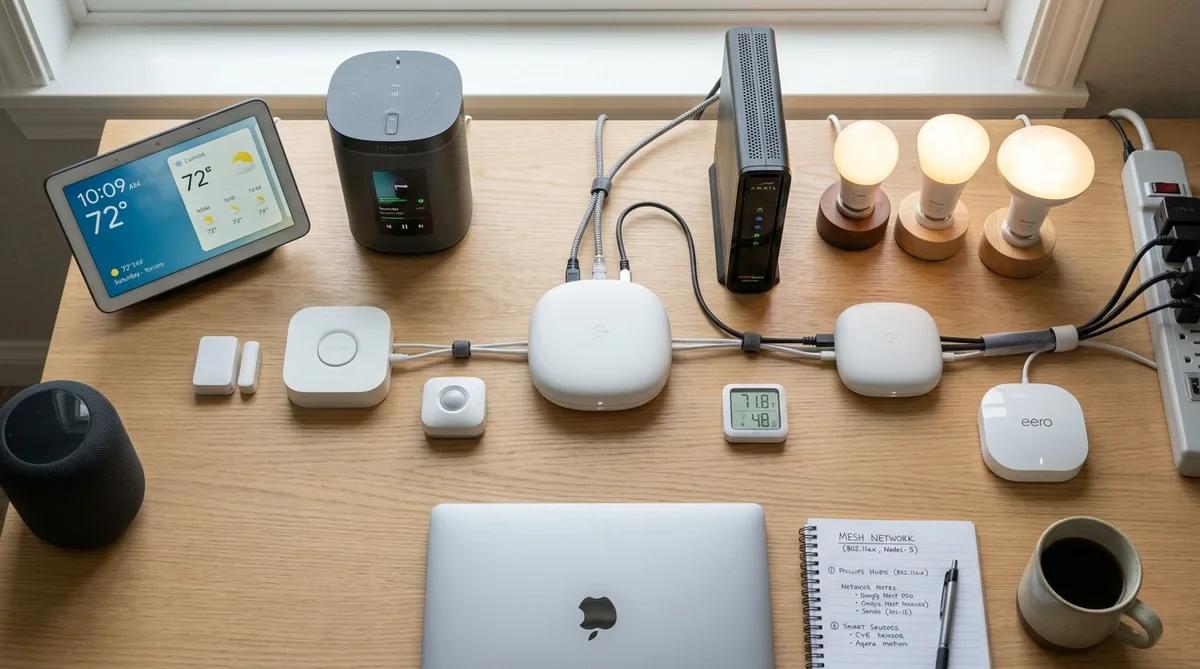
Matter vs. Alexa vs. Google Home vs. Apple Home: What Should You Buy for a Smart Home in 2026?
In 2026, the best smart-home strategy is less about choosing one brand and more about choosing a reliable ecosystem built around Matter. Alexa remains strong for device variety and affordability, Google Home is compelling for Android and AI users, while Apple Home stands out for privacy and Apple-device integration. Matter makes cross-platform ownership increasingly practical, but compatibility still requires careful checking.
 IOT & Blockchain 12 min read| 13 Sep 2026
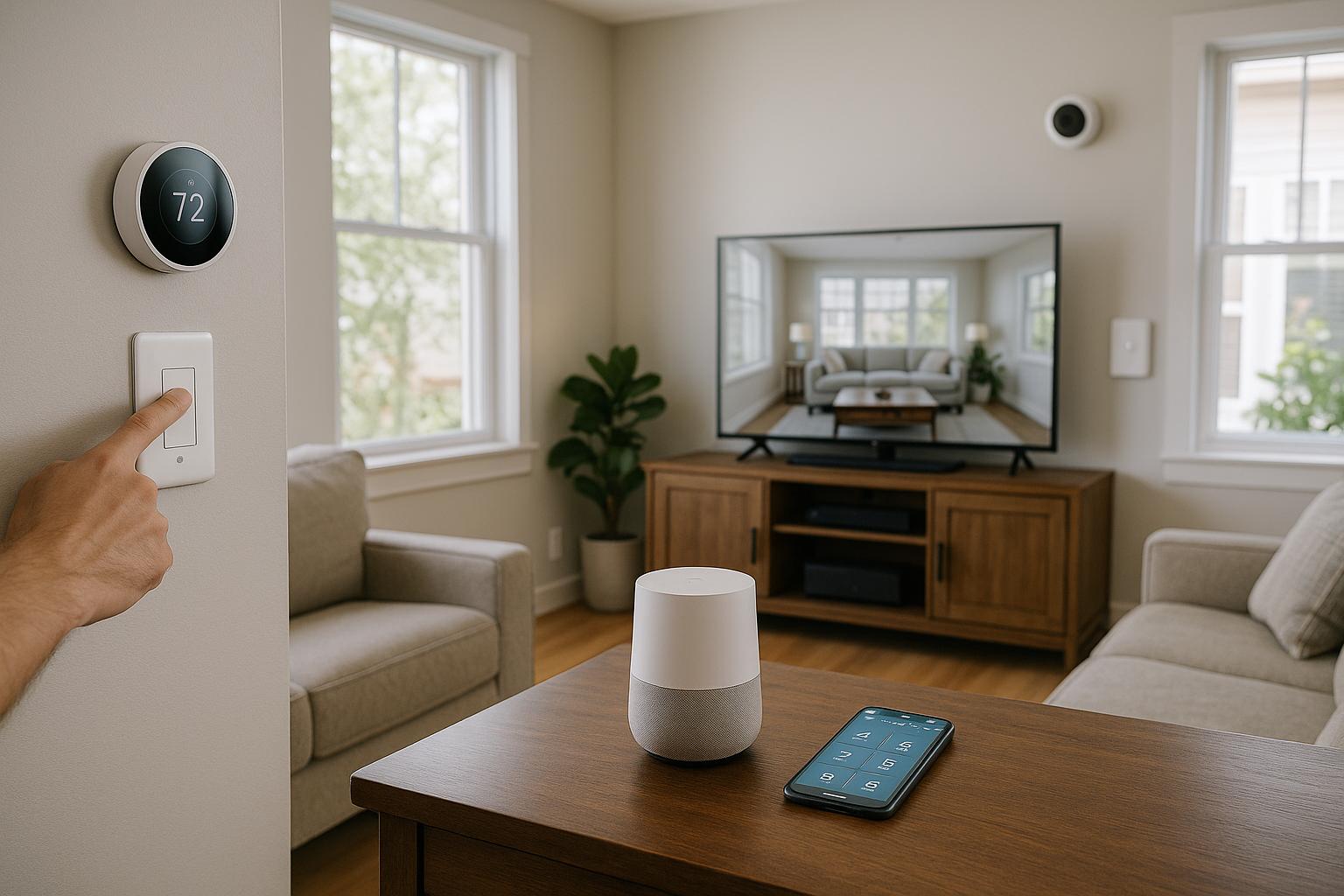
Is Your Smart Home Actually Private? 7 IoT Devices That Can Collect More Data Than You Think
Smart home devices can collect far more information than their basic functions suggest. Cameras may record video, voice assistants can retain conversations, smart TVs can track viewing behavior, and thermostats or robot vacuums can reveal household routines. Understanding what each device senses, where information goes, how long it is retained, and which settings limit collection is essential for protecting privacy.
 IOT & Blockchain 12 min read| 12 Sep 2026
Tokenized Assets Are Coming to Wall Street: What Does “Tokenization” Actually Mean for U.S. Investors?
Tokenization means representing an investment asset—such as a stock, Treasury, fund share, or other security—with a digital token recorded on blockchain or another distributed ledger. For U.S. investors, the important issue is not the technology itself, but what the token legally represents, who safeguards the underlying asset, what rights investors receive, and how trading works.
 IOT & Blockchain 12 min read| 11 Sep 2026
Could Stablecoins Replace Some Bank Transfers and Wire Payments? What U.S. Consumers Should Know
Stablecoins could eventually replace some bank transfers and wire payments, especially for cross-border transactions, online commerce, and payments that need to settle outside traditional banking hours. But they are not simply digital checking accounts. U.S. consumers must understand issuer risk, wallet security, fees, tax reporting, reversibility, regulatory protections, and whether the recipient can actually accept and redeem the stablecoin.
 IOT & Blockchain 12 min read| 10 Sep 2026
Stablecoins in the U.S. Explained: What the GENIUS Act Actually Changes for Your Money in 2026
Stablecoins are digital tokens designed to maintain a stable value, usually by tracking the U.S. dollar. The GENIUS Act, signed into law in July 2025, creates a federal framework for payment stablecoins, including reserve, disclosure, redemption, licensing, and compliance requirements. For Americans, the law may improve transparency and confidence, but stablecoins remain different from insured bank deposits.
 IOT & Blockchain 9 min read| 09 Sep 2026
Blockchain in Healthcare: Securing Patient Data
*** Introduction
 IOT & Blockchain 9 min read| 08 Sep 2026
The Future of Decentralized Finance (DeFi) in 2025
*** Introduction
 IOT & Blockchain 8 min read| 07 Sep 2026
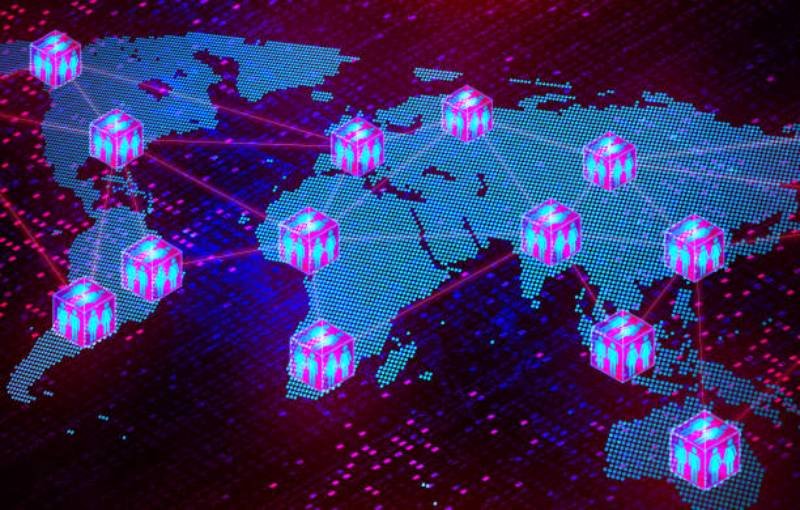
How Blockchain Is Reshaping Global Supply Chains
*** Introduction
 IOT & Blockchain 5 min read| 06 Sep 2026
The Intersection of Blockchain and IoT: Creating a More Connected and Secure World
The Internet of Things (IoT) is transforming various aspects of daily life by connecting devices and systems to the internet, enabling them to communicate and interact with one another. However, as the number of connected devices grows, so do concerns about security, data privacy, and system reliability. Blockchain technology offers a promising solution to these challenges, providing a decentralized and secure framework for managing and verifying IoT interactions.
 IOT & Blockchain 5 min read| 05 Sep 2026
How Blockchain is Driving the Future of Cross-Border Payments and Remittances
Cross-border payments and remittances are essential components of the global financial system, facilitating transactions between individuals and businesses across different countries. Traditional methods of cross-border payments are often slow, costly, and complex, involving multiple intermediaries and currency conversions. Blockchain technology offers a transformative solution to these challenges, driving the future of cross-border payments and remittances with increased speed, transparency, and efficiency.