
Blockchain in Healthcare: Securing Patient Data
Blockchain technology is transforming the healthcare industry by providing secure, transparent, and tamper-proof systems for managing patient data. Traditional healthcare systems often face issues of data breaches, fragmented records, and lack of interoperability. Blockchain offers a decentralized approach that ensures privacy while enabling seamless access to authorized medical professionals. By 2025, blockchain is expected to play a critical role in patient data management, clinical trials, and health research, driving both efficiency and trust in healthcare systems worldwide.
How Blockchain Secures Patient DataBlockchain uses cryptographic techniques and a distributed ledger to store medical records across multiple nodes. Each transaction is recorded permanently, ensuring that records cannot be altered or deleted without consensus. This guarantees data integrity, transparency, and accountability, which is essential for sensitive healthcare information.
** Key Applications in Healthcare
- Secure electronic health records (EHRs) accessible only by authorized users - Tracking pharmaceuticals to prevent counterfeit drugs - Managing consent and patient permissions for data sharing - Facilitating clinical trials by ensuring transparent and verifiable data - Enabling telemedicine with secure patient information exchange - Integration with AI for predictive analytics and personalized treatments
What Happens When Your AI Agent Gets Access to Your Email, Files and Apps? The New Security Problem Businesses Need to Understand
ChatGPT vs. Claude for Work: Which AI Is Actually Better for U.S. Businesses in 2026?
How Much Are U.S. Companies Really Spending on AI in 2026? The Numbers Behind the AI Spending Boom
Can AI Agents Actually Replace Business Software in 2026? What the “SaaSpocalypse” Debate Gets Right—and Wrong
Blockchain improves patient data security, reduces administrative costs, and enhances interoperability between healthcare providers. Patients gain more control over their data, while providers benefit from accurate and up-to-date medical information. Additionally, blockchain can enhance billing, claims processing, and insurance verification, reducing fraud and inefficiencies.
** Advantages
- Enhanced data privacy and security - Reduced risk of data breaches - Streamlined data sharing between hospitals and clinics - Improved patient trust and engagement - Faster insurance claims and reduced administrative burden - Reliable tracking of pharmaceuticals and supply chains
[https://blockone.us/The-Creator-Economy-on-Steroids-Blockchain-Empowers-Content-Creators](The Creator Economy on Steroids: Blockchain Empowers Content Creators)
💡 Discover More from IOT & Blockchain

AI & Automation
AI Agents vs. AI Assistants: What’s the Difference—and Which One Should Your Business Use in 2026?

AI & Automation
The Future of Generative AI in Creative Industries
AI & Automation
Machine Learning in Healthcare: Transforming Diagnosis and Treatment

AI & Automation
How Artificial Intelligence Is Redefining Workplace Productivity
Despite its benefits, blockchain adoption in healthcare faces challenges such as high implementation costs, scalability issues, interoperability concerns, and the need for regulatory compliance. Educating healthcare providers and patients about blockchain is also crucial to ensure successful adoption.
[https://www.healthit.gov/buzz-blog/blockchain-in-healthcare](HealthIT on Blockchain Challenges)
 Future Outlook
As blockchain technology matures, it is expected to play a larger role in patient data management, insurance claims processing, medical research, and clinical trials. Integration with AI and IoT devices will further enhance predictive analytics, personalized care, and real-time monitoring. By 2025, blockchain could become the standard for securing patient data globally, providing a reliable, transparent, and efficient healthcare ecosystem.
[https://www.forbes.com/sites/forbestechcouncil/2023/06/15/blockchain-in-healthcare](Forbes on Blockchain in Healthcare)
Stay in the Loop



You May Also Like
 AI & Automation 7 min read| 01 Sep 2026
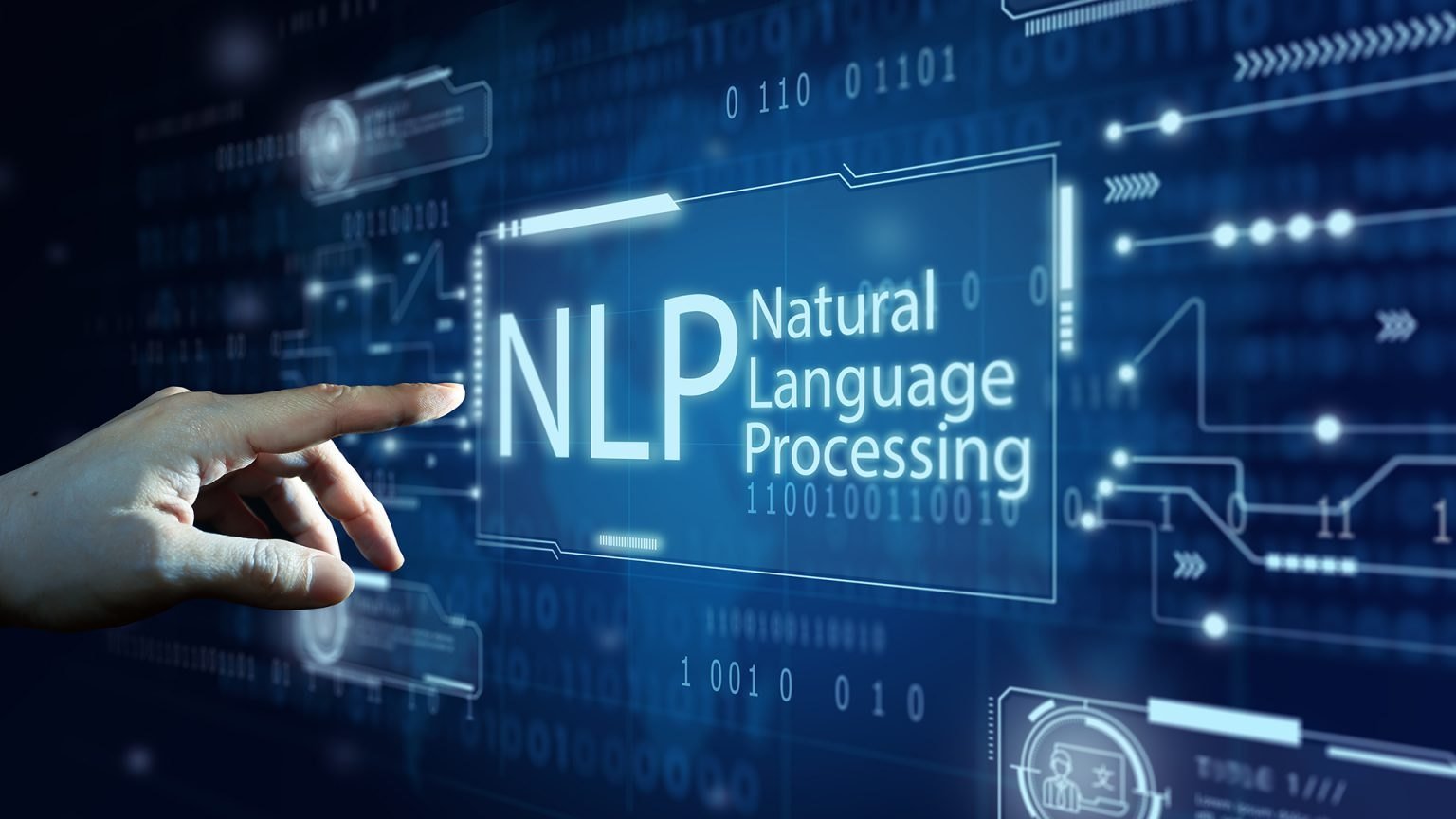
The Impact of Deep Learning on Natural Language Processing (NLP)
Deep learning has revolutionized the field of Natural Language Processing (NLP), leading to remarkable advancements in how machines understand and generate human language. By leveraging complex neural networks and large datasets, deep learning algorithms have transformed NLP applications, enhancing their accuracy and capabilities.
 IOT & Blockchain 4 min read| 15 Aug 2026
From Fans to Funders: Blockchain Revolutionizes Fan Engagement
Blockchain technology transforms fan engagement by offering new ways for fans to support, interact with, and invest in their favorite artists and creators.
 AI & Automation 2 min read| 27 Jun 2026
AI in Agriculture: Improving Crop Yield and Sustainability
Artificial intelligence (AI) is revolutionizing agriculture by providing innovative solutions to improve crop yield, optimize resource management, and promote sustainability. From precision farming to crop monitoring, AI technologies offer farmers valuable insights and tools to enhance productivity and efficiency in agricultural practices.
 AI & Automation 3 min read| 20 Aug 2026
Machine Learning in Cybersecurity: Protecting Data in a Digital World
Machine learning is becoming a crucial tool in the field of cybersecurity, enhancing the ability to detect, prevent, and respond to cyber threats. As cyberattacks become more sophisticated, machine learning algorithms are playing a pivotal role in safeguarding data and maintaining digital security.