

Machine Learning in Cybersecurity: Protecting Data in a Digital World
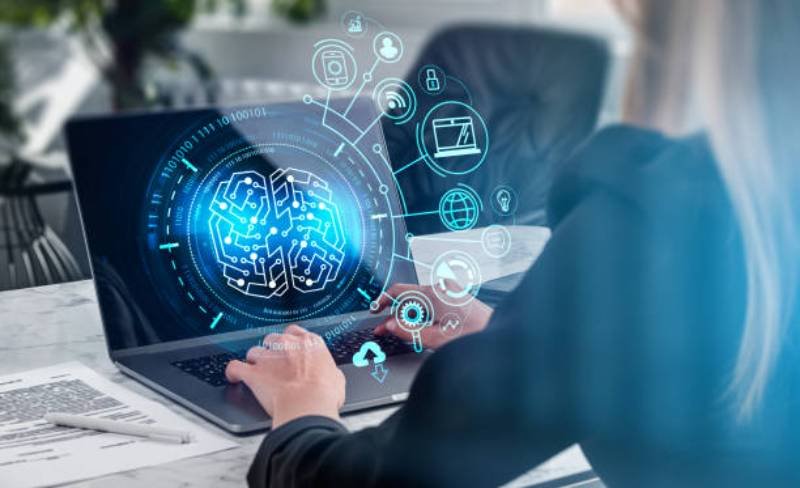
Machine learning is becoming a crucial tool in the field of cybersecurity, enhancing the ability to detect, prevent, and respond to cyber threats. As cyberattacks become more sophisticated, machine learning algorithms are playing a pivotal role in safeguarding data and maintaining digital security.
One of the key applications of machine learning in cybersecurity is threat detection. By analyzing large volumes of data and identifying patterns, machine learning models can detect anomalies that may indicate a potential security breach. These models can quickly identify unusual behavior or deviations from normal patterns, allowing for faster response to potential threats.
Machine learning also enhances the effectiveness of security systems by continuously learning and adapting to new threats. As attackers develop new techniques, machine learning algorithms can update their models to recognize and counteract these evolving threats. This dynamic approach helps to stay ahead of cybercriminals and mitigate risks effectively.
Another area where machine learning is making an impact is in phishing detection. Machine learning algorithms can analyze email content, URLs, and user behavior to identify and block phishing attempts. By distinguishing between legitimate and malicious communications, these systems help protect users from falling victim to fraudulent schemes.
Despite its advantages, machine learning in cybersecurity also presents challenges. Ensuring the accuracy of algorithms and managing false positives are ongoing concerns. Additionally, the effectiveness of machine learning models depends on the quality and diversity of the data used for training.
In conclusion, machine learning is revolutionizing cybersecurity by improving threat detection, response capabilities, and phishing prevention. As technology advances, the integration of machine learning into cybersecurity strategies will continue to enhance data protection and safeguard digital assets.
Stay in the Loop


You May Also Like
 IOT & Blockchain 12 min read| 10 Sep 2026
Stablecoins in the U.S. Explained: What the GENIUS Act Actually Changes for Your Money in 2026
Stablecoins are digital tokens designed to maintain a stable value, usually by tracking the U.S. dollar. The GENIUS Act, signed into law in July 2025, creates a federal framework for payment stablecoins, including reserve, disclosure, redemption, licensing, and compliance requirements. For Americans, the law may improve transparency and confidence, but stablecoins remain different from insured bank deposits.
 Cloud & SaaS 7 min read| 19 Aug 2026
The Impact of Augmented Reality on Retail: Shopping in a Virtual World
Augmented Reality (AR) is revolutionizing the retail industry by enhancing the shopping experience and transforming how consumers interact with products. AR technology overlays digital information onto the real world, allowing shoppers to visualize and interact with products in new and innovative ways. This immersive technology is reshaping retail by providing personalized and engaging experiences for customers.
 IOT & Blockchain 5 min read| 30 Jul 2026
Is Your Industry Ready for the Blockchain Disruption?
Blockchain technology is poised to disrupt various industries by enhancing transparency, security, and efficiency.
 AI & Automation 5 min read| 25 Aug 2026
The Role of AI in Autonomous Vehicles: What’s Next for Self-Driving Cars?
Artificial Intelligence (AI) is a driving force behind the development of autonomous vehicles, promising to revolutionize transportation and mobility. Self-driving cars rely on sophisticated AI systems to navigate, make decisions, and ensure safety on the road.