
The Impact of Augmented Reality on Retail: Shopping in a Virtual World
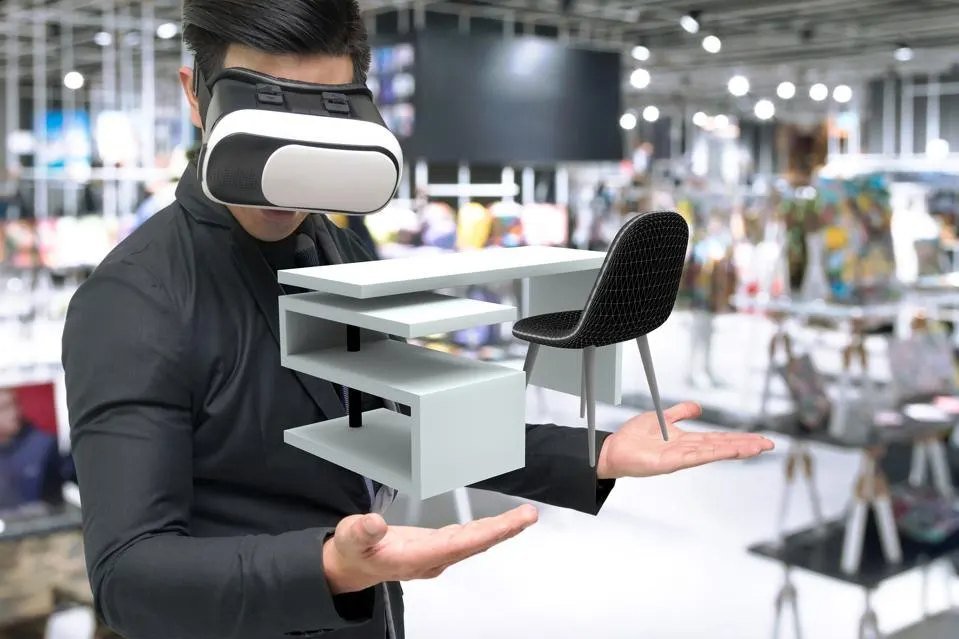
Augmented Reality (AR) is revolutionizing the retail industry by enhancing the shopping experience and transforming how consumers interact with products. AR technology overlays digital information onto the real world, allowing shoppers to visualize and interact with products in new and innovative ways. This immersive technology is reshaping retail by providing personalized and engaging experiences for customers.
One of the most significant impacts of AR in retail is virtual try-ons. AR applications enable customers to try on clothing, accessories, and cosmetics virtually, without needing to physically handle the products. For instance, AR fitting rooms allow users to see how clothes would look on them through their smartphones or AR glasses, eliminating the need for physical fitting rooms and reducing the time spent trying on multiple items. This convenience enhances the shopping experience and helps customers make more informed purchasing decisions.
AR is also transforming the way consumers explore and discover products. Interactive product displays and virtual showrooms allow shoppers to view and interact with products in a virtual environment. For example, AR apps can overlay product information, reviews, and pricing directly onto physical products or store shelves, providing customers with instant access to relevant details. This approach enhances the in-store shopping experience and helps consumers find the products they are looking for more efficiently.
In addition to improving the shopping experience, AR technology is helping retailers enhance their marketing and branding efforts. AR-driven campaigns and promotions can engage customers through interactive experiences and gamified content. For instance, AR scavenger hunts or virtual treasure hunts can drive foot traffic to physical stores and increase brand awareness. By leveraging AR for marketing, retailers can create memorable and shareable experiences that resonate with consumers and encourage brand loyalty.
The integration of AR in retail also offers operational benefits for retailers. AR-powered inventory management systems can streamline stock management by providing real-time information on product availability and location. Additionally, AR technology can assist with visual merchandising and store layout planning by allowing retailers to preview and optimize product displays before making physical changes. This capability helps retailers create more appealing and efficient store environments.
However, the implementation of AR in retail comes with challenges. The cost of developing and maintaining AR applications, as well as the need for high-quality AR hardware, may be prohibitive for some retailers. Additionally, ensuring that AR experiences are user-friendly and accessible across various devices is crucial for maximizing their effectiveness and reach.
In conclusion, AR is transforming the retail industry by enhancing the shopping experience, improving product discovery, and driving marketing innovation. By providing virtual try-ons, interactive product displays, and engaging marketing campaigns, AR technology is reshaping how consumers interact with brands and making shopping more convenient and enjoyable. As AR technology continues to advance, its impact on retail will likely expand, offering new opportunities for both retailers and consumers.
Stay in the Loop



You May Also Like
 AI & Automation 5 min read| 05 Oct 2025
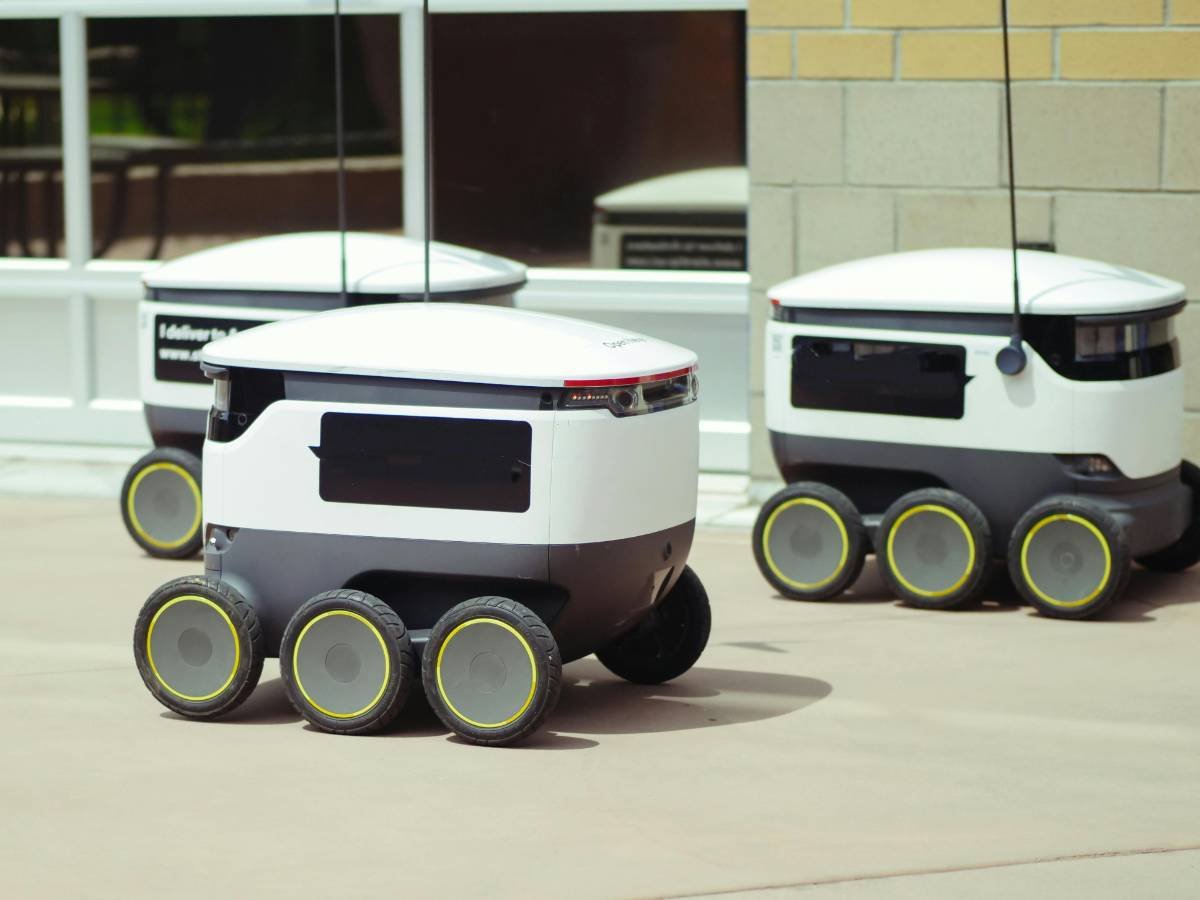
The Intersection of AI and Ethics in Autonomous Weapon Systems
The development and deployment of Autonomous Weapon Systems (AWS) powered by Artificial Intelligence (AI) raise critical ethical concerns and policy considerations. This article explores the intersection of AI and ethics in AWS, examining debates surrounding autonomy, accountability, humanitarian implications, and international regulations in the context of military and defense technologies.
 Cloud & SaaS 4 min read| 10 Sep 2025
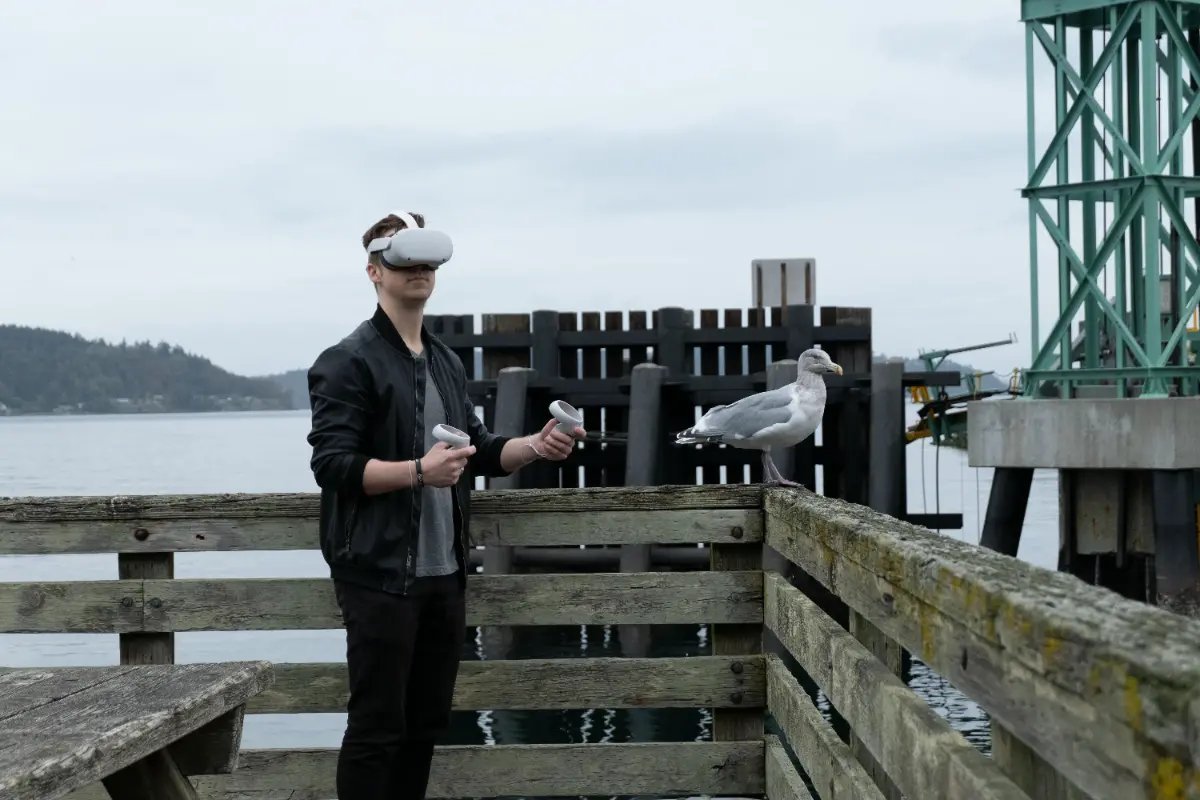
Enhancing Real Estate: The Role of AR and VR in Property Visualization
In recent years, augmented reality (AR) and virtual reality (VR) have revolutionized the real estate industry by transforming the way properties are visualized and experienced. These immersive technologies offer innovative solutions for both buyers and sellers, enhancing the property viewing process and revolutionizing the way real estate is marketed and sold.
 AI & Automation 4 min read| 26 Sep 2025
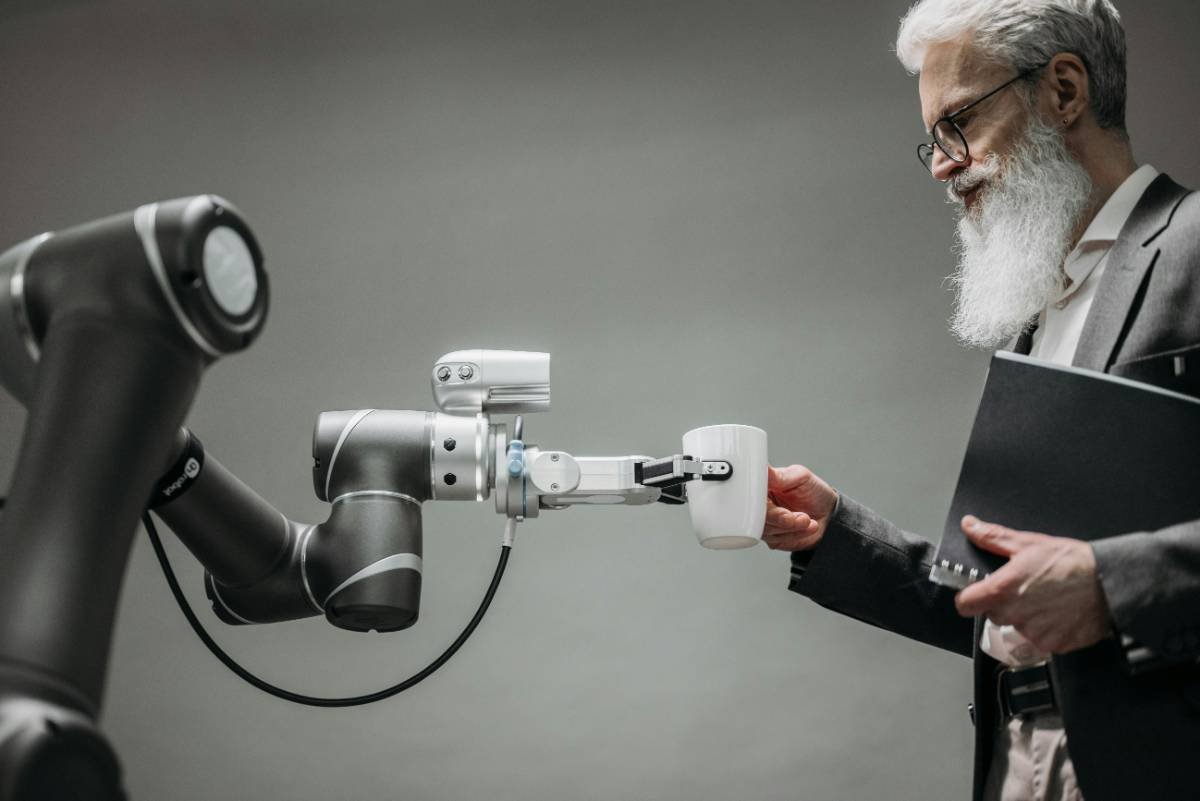
The Challenges of AI Governance and Regulation
Artificial Intelligence (AI) governance and regulation present complex challenges as governments and organizations navigate ethical, legal, and societal implications of AI technologies. This article examines the critical issues surrounding AI governance, from data privacy and algorithmic transparency to international cooperation and policy frameworks.
 AI & Automation 3 min read| 07 Oct 2025
The Rise of AI in Creative Industries: Can Machines Be Truly Creative?
Artificial Intelligence (AI) is making significant strides in creative industries, challenging traditional notions of creativity. As AI systems become more sophisticated, they are increasingly being used to generate art, music, literature, and other forms of creative content.