

AI in E-Commerce: Revolutionizing Customer Experience and Logistics
Artificial Intelligence (AI) is transforming the e-commerce industry by enhancing customer experience and optimizing logistics. From personalized shopping experiences to efficient supply chain management, AI technologies are revolutionizing how online retailers operate and interact with their customers.
One of the most significant impacts of AI in e-commerce is the personalization of shopping experiences. AI algorithms analyze customer data, including browsing history, purchase behavior, and preferences, to deliver tailored product recommendations. For example, recommendation engines suggest products based on individual interests, increasing the likelihood of conversions and customer satisfaction. Personalized shopping experiences not only drive sales but also foster brand loyalty by making customers feel valued and understood.
AI-powered chatbots and virtual assistants are another crucial element in enhancing customer service. These AI tools provide instant support and assistance, handling inquiries, processing orders, and resolving issues around the clock. By offering immediate responses and accurate information, chatbots improve customer satisfaction and reduce the workload on human support agents. Additionally, AI-driven natural language processing enables these tools to understand and respond to customer queries in a conversational manner, further enhancing the user experience.
In logistics, AI plays a vital role in optimizing supply chain management and improving operational efficiency. Machine learning algorithms forecast demand, predict inventory needs, and manage warehouse operations. By analyzing historical sales data and market trends, AI helps retailers anticipate product demand, prevent stockouts, and reduce excess inventory. This data-driven approach leads to cost savings and ensures that customers receive their orders in a timely manner.
AI also enhances delivery and fulfillment processes. Predictive analytics and route optimization algorithms improve delivery efficiency by identifying the fastest and most cost-effective routes for shipments. This reduces transportation costs, minimizes delays, and enhances the overall customer experience. Automated warehousing systems, powered by AI, streamline order picking and packing, further accelerating the fulfillment process.
Despite these advancements, the integration of AI in e-commerce presents challenges, such as data privacy and security concerns. Retailers must ensure that customer data is protected and used responsibly, adhering to regulatory standards and best practices. Additionally, maintaining a balance between automation and human interaction is essential to preserving the personal touch that many customers value.
In conclusion, AI is revolutionizing e-commerce by enhancing customer experience and optimizing logistics. From personalized recommendations and AI-driven customer support to efficient supply chain management and delivery processes, AI technologies are reshaping the industry and driving growth. Embracing AI innovations will be key to staying competitive and meeting the evolving expectations of online shoppers.
Stay in the Loop



You May Also Like
 IOT & Blockchain 12 min read| 10 Sep 2026
Stablecoins in the U.S. Explained: What the GENIUS Act Actually Changes for Your Money in 2026
Stablecoins are digital tokens designed to maintain a stable value, usually by tracking the U.S. dollar. The GENIUS Act, signed into law in July 2025, creates a federal framework for payment stablecoins, including reserve, disclosure, redemption, licensing, and compliance requirements. For Americans, the law may improve transparency and confidence, but stablecoins remain different from insured bank deposits.
 Cloud & SaaS 7 min read| 19 Aug 2026
The Impact of Augmented Reality on Retail: Shopping in a Virtual World
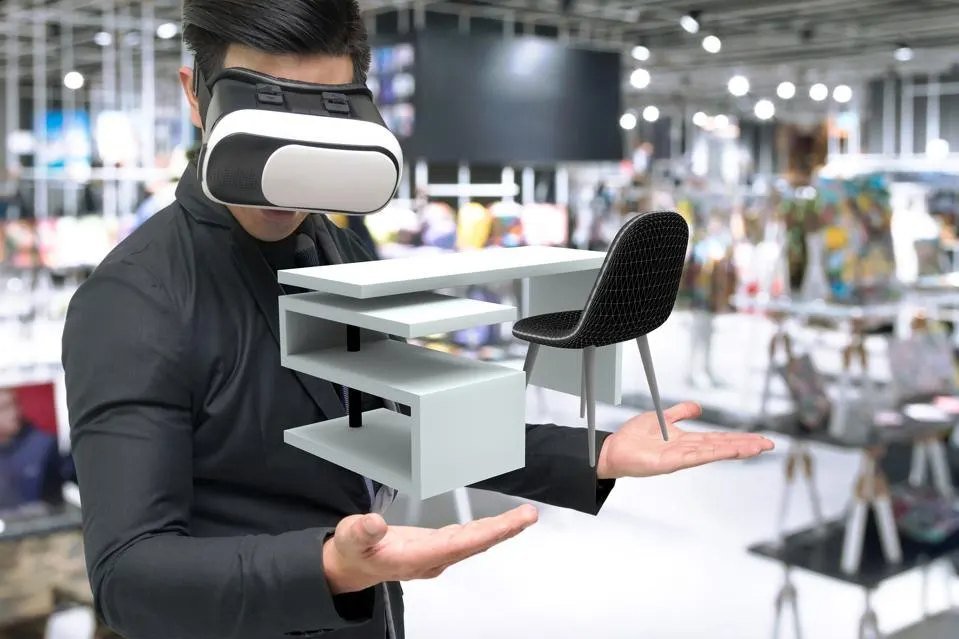
Augmented Reality (AR) is revolutionizing the retail industry by enhancing the shopping experience and transforming how consumers interact with products. AR technology overlays digital information onto the real world, allowing shoppers to visualize and interact with products in new and innovative ways. This immersive technology is reshaping retail by providing personalized and engaging experiences for customers.
 IOT & Blockchain 5 min read| 30 Jul 2026
Is Your Industry Ready for the Blockchain Disruption?
Blockchain technology is poised to disrupt various industries by enhancing transparency, security, and efficiency.
 AI & Automation 5 min read| 25 Aug 2026
The Role of AI in Autonomous Vehicles: What’s Next for Self-Driving Cars?
Artificial Intelligence (AI) is a driving force behind the development of autonomous vehicles, promising to revolutionize transportation and mobility. Self-driving cars rely on sophisticated AI systems to navigate, make decisions, and ensure safety on the road.