

The Role of Blockchain in Digital Identity Verification and Management
Digital identity verification and management are critical aspects of modern life, impacting everything from online banking to social media accounts. Traditional methods of identity verification often involve centralized systems that are vulnerable to data breaches, fraud, and inefficiencies. Blockchain technology offers a transformative approach to digital identity, providing a secure, decentralized, and user-controlled solution for managing and verifying personal information.
Blockchain technology enhances digital identity management by providing a decentralized ledger that allows individuals to control and manage their own identity information. Instead of relying on central authorities or intermediaries, blockchain enables users to store and share their identity data securely and privately. This decentralized approach reduces the risk of data breaches and unauthorized access, as personal information is not stored in a single centralized database but rather distributed across the network.
One of the key benefits of using blockchain for digital identity is the ability to create a self-sovereign identity. A self-sovereign identity (SSI) gives individuals full ownership and control over their identity information. Users can manage their personal data through digital wallets and selectively share it with trusted parties when needed. This approach eliminates the need for third-party verification services and empowers users to maintain their privacy and security while interacting online.
Blockchain also improves the efficiency and reliability of identity verification processes. Traditional verification methods often involve lengthy procedures and multiple steps, leading to delays and potential errors. Blockchain-based identity systems streamline verification by providing a secure and immutable record of identity attributes and credentials. This record can be easily accessed and verified by authorized parties, reducing the time and cost associated with identity checks and enhancing the overall user experience.
Moreover, blockchain technology enables the creation of verifiable credentials and digital signatures. Verifiable credentials are digital certificates issued by trusted authorities and recorded on the blockchain. These credentials can be used to prove various attributes, such as age, qualifications, or membership, without revealing sensitive personal information. Digital signatures provide a cryptographic way to authenticate and validate transactions or documents, ensuring their integrity and authenticity.
Despite its potential, implementing blockchain for digital identity faces several challenges. Issues related to scalability, interoperability, and regulatory compliance must be addressed to ensure that blockchain-based identity systems are practical and widely adopted. Additionally, ensuring the security and privacy of user data is paramount, requiring robust encryption and security measures to protect against potential threats.
In conclusion, blockchain technology offers a promising solution for digital identity verification and management. By providing a decentralized, user-controlled approach to identity management, blockchain enhances security, privacy, and efficiency. As the technology continues to advance, its role in shaping the future of digital identity is likely to grow, offering innovative solutions and improving the way we manage and verify personal information.
Stay in the Loop



You May Also Like
 IOT & Blockchain 4 min read| 04 Oct 2025
The Data Dividend: Can Blockchain Help Us Own Our Data?
Blockchain technology offers potential solutions to empower individuals with ownership and control over their personal data, fostering privacy and fair compensation.
 Cloud & SaaS 7 min read| 18 Oct 2025
How AR and VR Are Enhancing Sports Training and Performance Analysis
Augmented Reality (AR) and Virtual Reality (VR) are making significant contributions to sports training and performance analysis, offering athletes and coaches innovative tools to enhance skills, improve performance, and gain valuable insights. By providing immersive and interactive environments, AR and VR technologies are transforming how sports training is conducted and how performance is evaluated.
 Cloud & SaaS 6 min read| 05 Oct 2025
AR for Astronauts: Training for Space Exploration on Earth
Augmented Reality (AR) technology is revolutionizing astronaut training by providing immersive and realistic simulations of space exploration missions right here on Earth. From extravehicular activities (EVAs) to spacecraft operations, AR enables astronauts to practice and prepare for the challenges of space travel in a safe and controlled environment.
 Cloud & SaaS 7 min read| 07 Oct 2025
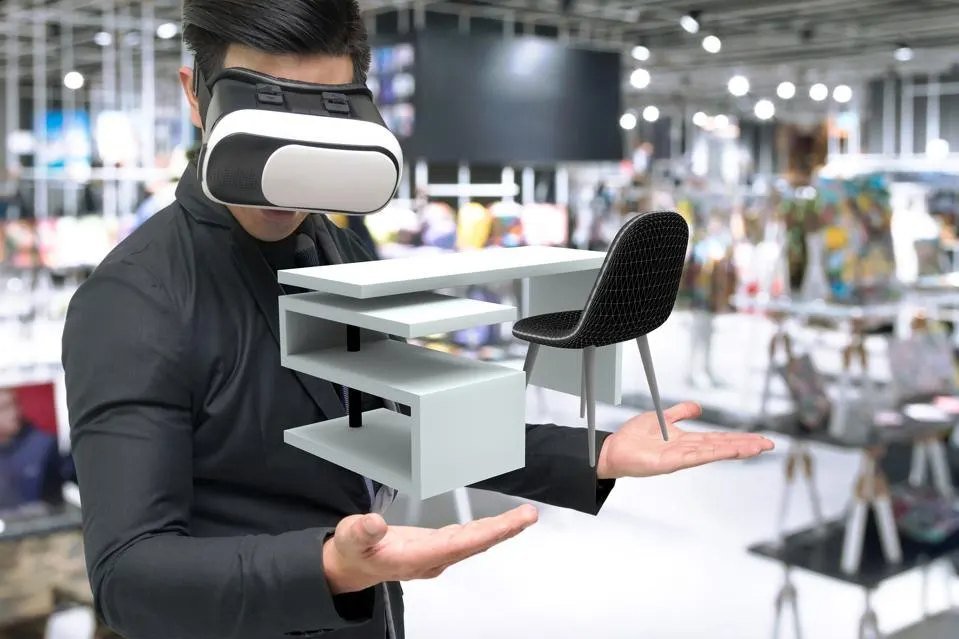
The Impact of Augmented Reality on Retail: Shopping in a Virtual World
Augmented Reality (AR) is revolutionizing the retail industry by enhancing the shopping experience and transforming how consumers interact with products. AR technology overlays digital information onto the real world, allowing shoppers to visualize and interact with products in new and innovative ways. This immersive technology is reshaping retail by providing personalized and engaging experiences for customers.