
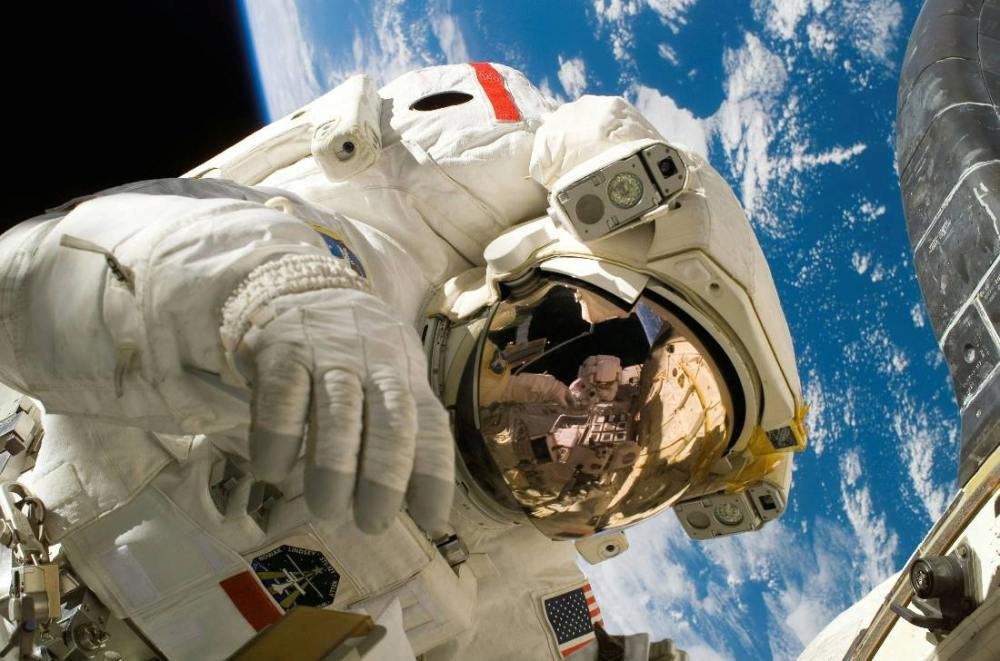
AR for Astronauts: Training for Space Exploration on Earth
Augmented Reality (AR) technology is revolutionizing astronaut training by providing immersive and realistic simulations of space exploration missions right here on Earth. From extravehicular activities (EVAs) to spacecraft operations, AR enables astronauts to practice and prepare for the challenges of space travel in a safe and controlled environment.
Simulating Space Environments: AR simulations replicate the conditions and environments of space, allowing astronauts to experience microgravity, zero-g environments, and other challenges they will encounter during space missions. By wearing AR headsets and using specialized equipment, astronauts can train for tasks such as spacewalks, docking maneuvers, and operating complex spacecraft systems.
Hands-On Training: AR technology enables hands-on training experiences that immerse astronauts in realistic scenarios and allow them to practice critical skills and procedures. Astronauts can interact with virtual objects, manipulate controls, and perform tasks as they would in space, gaining valuable experience and muscle memory that will be essential for mission success.
Collaborative Learning: AR-based training platforms facilitate collaborative learning experiences that involve astronauts working together to solve problems and complete missions. Virtual team exercises allow astronauts to communicate, coordinate, and make decisions in real-time, simulating the teamwork and cooperation required for successful space missions.
Emergency Response Preparedness: AR simulations prepare astronauts for emergencies that may arise during space missions, such as equipment malfunctions, medical emergencies, or spacecraft failures. By practicing emergency procedures in a simulated environment, astronauts can develop the skills and reflexes needed to respond quickly and effectively to unexpected events in space.
Mission Planning and Visualization: AR technology assists astronauts in mission planning and visualization by providing dynamic maps, data overlays, and 3D models of spacecraft, celestial bodies, and mission objectives. Astronauts can use AR tools to explore mission scenarios, analyze potential risks, and develop strategies for achieving mission goals.
Remote Assistance and Support: AR-enabled devices allow astronauts to receive remote assistance and support from mission control centers and subject matter experts on Earth. Through live video feeds, augmented annotations, and virtual instructions, astronauts can troubleshoot problems, receive guidance, and access resources in real-time, enhancing mission safety and efficiency.
Continuous Training and Skills Development: AR-based training programs support continuous skills development and proficiency maintenance for astronauts throughout their careers. By providing access to a library of training modules, simulations, and scenarios, AR platforms enable astronauts to stay updated on new procedures, technologies, and mission requirements, ensuring that they are always prepared for the challenges of space exploration.
Challenges and Considerations: While AR technology offers significant benefits for astronaut training, it also presents challenges and considerations, including issues related to system reliability, data accuracy, and user interface design. Training developers and operators need to address these challenges and ensure that AR-based training programs meet the rigorous standards and requirements of space agencies.
In conclusion, Augmented Reality is revolutionizing astronaut training by providing immersive, hands-on, and collaborative training experiences that prepare astronauts for the challenges of space exploration. As AR technology continues to advance and become more integrated into astronaut training programs, the future of space exploration looks increasingly promising, with astronauts who are well-prepared, skilled, and ready to boldly go where no one has gone before.
Stay in the Loop


You May Also Like
 AI & Automation 5 min read| 05 Oct 2025
The Intersection of AI and Ethics in Autonomous Weapon Systems
The development and deployment of Autonomous Weapon Systems (AWS) powered by Artificial Intelligence (AI) raise critical ethical concerns and policy considerations. This article explores the intersection of AI and ethics in AWS, examining debates surrounding autonomy, accountability, humanitarian implications, and international regulations in the context of military and defense technologies.
 Cloud & SaaS 4 min read| 10 Sep 2025
Enhancing Real Estate: The Role of AR and VR in Property Visualization
In recent years, augmented reality (AR) and virtual reality (VR) have revolutionized the real estate industry by transforming the way properties are visualized and experienced. These immersive technologies offer innovative solutions for both buyers and sellers, enhancing the property viewing process and revolutionizing the way real estate is marketed and sold.
 AI & Automation 4 min read| 26 Sep 2025
The Challenges of AI Governance and Regulation
Artificial Intelligence (AI) governance and regulation present complex challenges as governments and organizations navigate ethical, legal, and societal implications of AI technologies. This article examines the critical issues surrounding AI governance, from data privacy and algorithmic transparency to international cooperation and policy frameworks.
 AI & Automation 3 min read| 07 Oct 2025
The Rise of AI in Creative Industries: Can Machines Be Truly Creative?
Artificial Intelligence (AI) is making significant strides in creative industries, challenging traditional notions of creativity. As AI systems become more sophisticated, they are increasingly being used to generate art, music, literature, and other forms of creative content.