
Blockchain in Gaming: How Decentralized Networks Are Changing the Industry
Blockchain technology is making significant waves in the gaming industry, offering new opportunities for developers, players, and investors alike. By leveraging decentralized networks, blockchain is transforming various aspects of gaming, from in-game economies and asset ownership to game development and community engagement.
One of the most notable changes brought about by blockchain in gaming is the introduction of decentralized gaming economies. Traditionally, in-game assets such as characters, items, and currency are controlled by game developers and are confined to the game’s ecosystem. Blockchain, however, enables players to truly own their in-game assets through the use of non-fungible tokens (NFTs). NFTs represent unique digital items that can be bought, sold, and traded outside of the game. This ownership model empowers players to have more control over their assets and opens up new avenues for trading and monetization.
In addition to asset ownership, blockchain enhances transparency and fairness in gaming. Blockchain’s immutable ledger ensures that in-game transactions and interactions are recorded transparently and cannot be altered or tampered with. This transparency can help prevent cheating and fraudulent activities, as players can verify the authenticity and fairness of their gaming experience. Moreover, blockchain can facilitate provably fair gaming, where the randomness and outcomes of games are verified through smart contracts and cryptographic algorithms.
Blockchain technology also has the potential to revolutionize game development and funding. Decentralized platforms can enable developers to raise funds through Initial Coin Offerings (ICOs) or token sales, allowing them to finance their projects without relying on traditional publishers or investors. These platforms also provide developers with access to a global community of gamers and investors, fostering collaboration and engagement. Additionally, blockchain can streamline the development process by enabling secure and transparent distribution of game assets and updates.
Another area where blockchain is making an impact is in player rewards and incentives. Through blockchain-based reward systems, players can earn cryptocurrency or tokens for their in-game achievements and contributions. These rewards can be used within the game or exchanged for real-world value, creating a more engaging and rewarding experience. Blockchain also allows for the creation of decentralized autonomous organizations (DAOs) that enable players to have a say in the governance and development of games, fostering a more participatory and community-driven approach.
Despite its potential, the integration of blockchain in gaming is not without challenges. Issues such as scalability, transaction fees, and regulatory considerations must be addressed to ensure that blockchain solutions are practical and accessible for gamers and developers. Additionally, the adoption of blockchain in gaming requires collaboration between industry stakeholders, including game developers, blockchain experts, and regulatory bodies.
In conclusion, blockchain technology is poised to revolutionize the gaming industry by introducing decentralized economies, enhancing transparency, and creating new opportunities for players and developers. As the technology continues to evolve, its impact on gaming is likely to grow, offering innovative solutions and driving the future of interactive entertainment.
Stay in the Loop



You May Also Like
 AI & Automation 7 min read| 01 Sep 2026
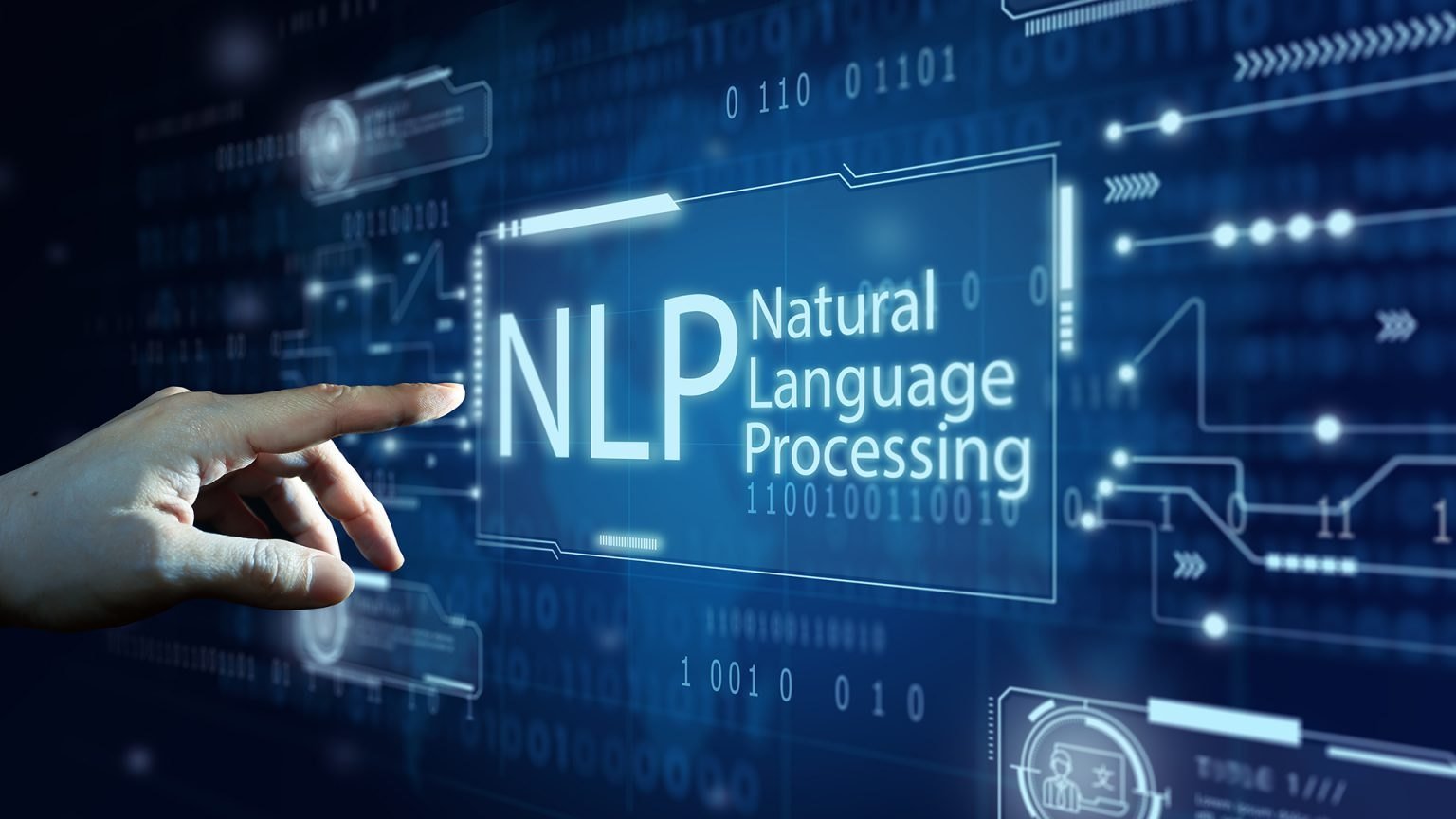
The Impact of Deep Learning on Natural Language Processing (NLP)
Deep learning has revolutionized the field of Natural Language Processing (NLP), leading to remarkable advancements in how machines understand and generate human language. By leveraging complex neural networks and large datasets, deep learning algorithms have transformed NLP applications, enhancing their accuracy and capabilities.
 IOT & Blockchain 4 min read| 15 Aug 2026
From Fans to Funders: Blockchain Revolutionizes Fan Engagement
Blockchain technology transforms fan engagement by offering new ways for fans to support, interact with, and invest in their favorite artists and creators.
 AI & Automation 2 min read| 27 Jun 2026
AI in Agriculture: Improving Crop Yield and Sustainability
Artificial intelligence (AI) is revolutionizing agriculture by providing innovative solutions to improve crop yield, optimize resource management, and promote sustainability. From precision farming to crop monitoring, AI technologies offer farmers valuable insights and tools to enhance productivity and efficiency in agricultural practices.
 AI & Automation 3 min read| 20 Aug 2026
Machine Learning in Cybersecurity: Protecting Data in a Digital World
Machine learning is becoming a crucial tool in the field of cybersecurity, enhancing the ability to detect, prevent, and respond to cyber threats. As cyberattacks become more sophisticated, machine learning algorithms are playing a pivotal role in safeguarding data and maintaining digital security.