
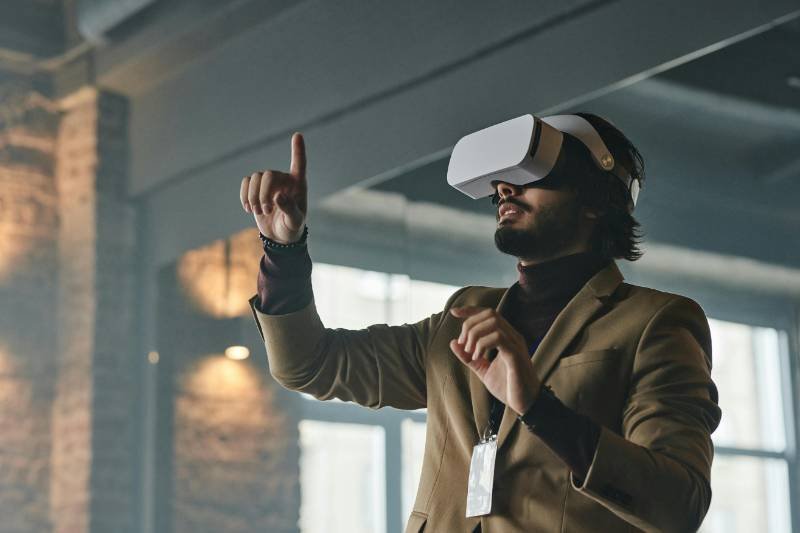
Augmented Reality in Retail: How Virtual Try-Ons Are Boosting Sales
Augmented Reality (AR) has moved beyond gaming and entertainment to become one of the most influential technologies shaping modern retail. By merging the physical and digital shopping worlds, AR allows consumers to interact with products virtually, visualize them in real-life scenarios, and make more confident purchase decisions. One of the most innovative applications of AR in retail is the concept of virtual try-ons, which are revolutionizing how customers shop for clothes, beauty products, eyewear, and even furniture. These immersive experiences not only make shopping more fun and interactive but also boost consumer trust in online and offline purchasing.
The Rise of AR in RetailThe retail industry has seen a massive digital transformation in the past decade, accelerated by the growth of e-commerce and changing consumer behavior. AR has become an essential tool for brands trying to bridge the gap between the online and physical shopping experience. By allowing consumers to "try before they buy" in a virtual setting, retailers are solving one of the biggest barriers to online shopping—uncertainty. Companies like Nike, Sephora, IKEA, and Warby Parker have already embraced AR technologies to enhance customer engagement, and smaller retailers are following suit as AR development becomes more affordable.
What Happens When Your AI Agent Gets Access to Your Email, Files and Apps? The New Security Problem Businesses Need to Understand
ChatGPT vs. Claude for Work: Which AI Is Actually Better for U.S. Businesses in 2026?
How Much Are U.S. Companies Really Spending on AI in 2026? The Numbers Behind the AI Spending Boom
Can AI Agents Actually Replace Business Software in 2026? What the “SaaSpocalypse” Debate Gets Right—and Wrong
For consumers, virtual try-ons provide an interactive, personalized, and stress-free way to evaluate products. Instead of relying on static images or product descriptions, shoppers can visualize items directly on themselves or in their environment. This creates a sense of ownership and significantly reduces buyer hesitation. For retailers, the technology brings measurable business benefits: increased sales, reduced return rates, and improved customer loyalty. Studies show that customers who use AR try-ons are more likely to complete purchases and less likely to return products due to dissatisfaction.
** Benefits of Virtual Try-Ons for Retailers and Consumers
- Increases consumer confidence by showing realistic product visualizations - Reduces return rates by minimizing size, color, and fit mismatches - Boosts sales conversions as hesitant buyers feel more assured - Enhances customer engagement with interactive shopping experiences - Provides brands with valuable consumer behavior data through AR analytics
[https://www.retaildive.com/technology-in-retail](How AR is Shaping the Future of Retail)
💡 Discover More from Cloud & SaaS

AI & Automation
AI Agents vs. AI Assistants: What’s the Difference—and Which One Should Your Business Use in 2026?
AI & Automation
The Future of Generative AI in Creative Industries
AI & Automation
Machine Learning in Healthcare: Transforming Diagnosis and Treatment

AI & Automation
How Artificial Intelligence Is Redefining Workplace Productivity
Fashion and beauty brands have been among the earliest adopters of AR. Companies like Gucci, Zara, and H&M are experimenting with AR-powered fitting rooms and mobile apps that let customers virtually try on clothes. Similarly, beauty brands such as L’Oréal and Sephora use AR apps to allow customers to test makeup products—lipsticks, eyeshadows, and foundations—without needing physical samples. This not only improves hygiene but also provides a convenient way to explore multiple shades and styles instantly. The personalization offered by AR in fashion and beauty is a major driver of customer satisfaction and loyalty.
AR in Eyewear and AccessoriesEyewear companies like Warby Parker and Ray-Ban have introduced AR try-on features that enable customers to see how frames look on their faces in real-time. Accessories such as watches, jewelry, and hats can also be tried virtually. This reduces the challenge of shopping online for items where physical appearance and fit are critical to the purchase decision.
[https://www.forbes.com/augmented-reality-shopping](The Business Impact of AR Shopping)
AR in Furniture and Home DecorFurniture retailers such as IKEA, Wayfair, and Home Depot are leveraging AR to allow customers to place 3D models of sofas, tables, and decor items directly into their living spaces using smartphones. This helps buyers visualize the size, design, and color match before making a purchase. For large or expensive items, this feature significantly reduces post-purchase regrets and the cost of returns.
Impact on Customer ExperienceVirtual try-ons enhance the customer journey by making it more interactive, personalized, and fun. Instead of browsing static catalogs, shoppers feel like participants in a tailored shopping experience. The novelty of AR also creates a "wow factor" that helps brands stand out in a competitive market. As consumers become more tech-savvy, they increasingly expect retailers to provide AR-enhanced shopping tools as part of their customer experience strategy.
** Challenges in Implementing AR
- High development and integration costs for AR platforms - Compatibility challenges across smartphones, tablets, and AR wearables - Technical limitations in accurately rendering products in real environments - Customer learning curves when using new AR features - Privacy and data collection concerns regarding facial scans and personal information
[https://blockone.us/The-Impact-of-Augmented-Reality-on-Retail-Shopping-in-a-Virtual-World](The Impact of Augmented Reality on Retail: Shopping in a Virtual World)
Overcoming ChallengesRetailers can overcome these challenges by partnering with AR tech providers, adopting scalable solutions, and focusing on user-friendly designs. As AR hardware and software continue to improve, costs are expected to decrease, making the technology more accessible for mid-sized and small retailers.
The Future of AR in RetailThe future of AR in retail is incredibly promising. With the rise of AI-powered personalization, AR try-ons will become even more accurate and tailored to individual shoppers. Imagine virtual fitting rooms that recommend outfits based on body measurements, past purchases, and current fashion trends, or beauty apps that analyze skin tone and suggest products accordingly. As 5G connectivity expands, AR apps will run smoother, making real-time try-ons more seamless. Furthermore, AR will likely play a significant role in the metaverse, where consumers will shop in virtual stores, interact with 3D avatars, and experience products in entirely new ways.
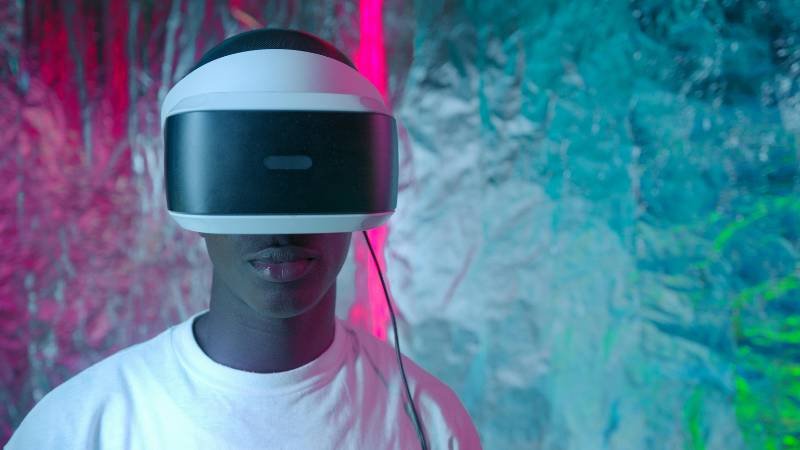 Case Studies of AR Success
- Sephora’s Virtual Artist app increased customer engagement significantly by letting users try over 2000 shades of makeup virtually. - IKEA Place app became one of the most downloaded AR shopping apps, helping millions of customers visualize furniture at home. - Warby Parker’s AR try-on for glasses reduced customer hesitation and became a standard part of its online shopping experience.
ConclusionAugmented Reality is no longer a futuristic concept—it’s a present-day necessity for retailers who want to stay competitive. Virtual try-ons are not just about fun gimmicks; they directly impact sales, returns, and customer satisfaction. As AR technology evolves, it will continue to redefine how consumers shop, making experiences more immersive, personalized, and convenient than ever before. Retailers who adopt AR early and strategically will have a clear advantage in capturing the next generation of digital shoppers.
Stay in the Loop



You May Also Like
 IOT & Blockchain 5 min read| 04 Aug 2026
Building the Trust Machine: How Blockchain is Revolutionizing Trust Systems
Blockchain technology is transforming trust systems by providing secure, transparent, and decentralized solutions.
 Cloud & SaaS 6 min read| 12 Aug 2026
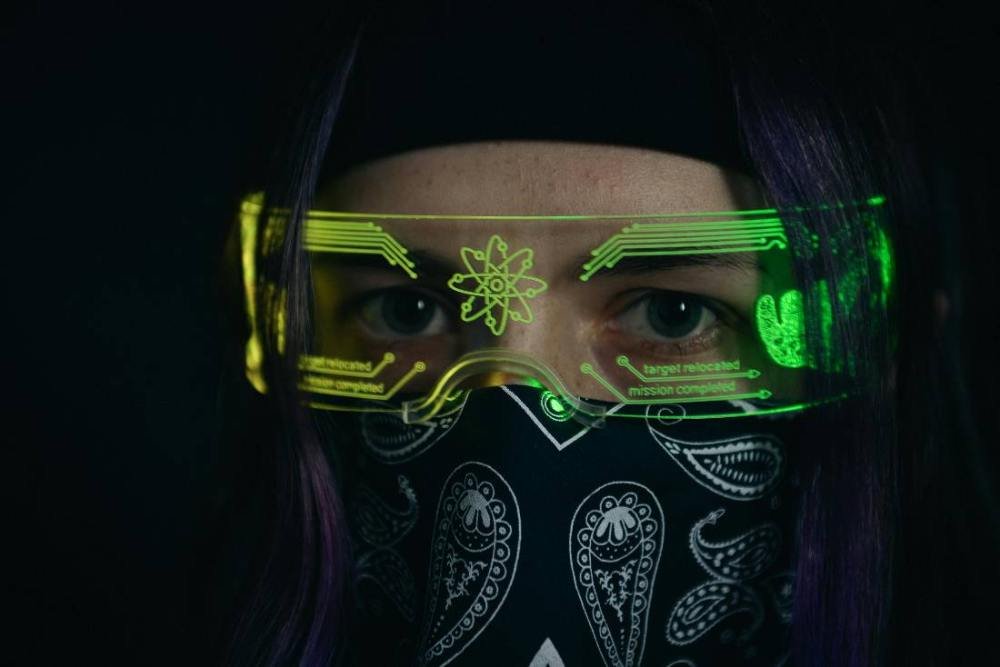
Reality Remix: How AR and VR are Blurring the Lines Between Digital and Physical Worlds
Welcome to the era of Reality Remix, where Augmented Reality (AR) and Virtual Reality (VR) are reshaping our perception of the world. In this article, we'll explore how AR and VR technologies are blurring the lines between the digital and physical realms, creating immersive experiences that redefine reality as we know it.
 AI & Automation 7 min read| 16 Jun 2026
AI in Robotics: Enhancing Automation and Human Interaction
Artificial Intelligence (AI) has revolutionized the field of robotics, ushering in an era of unprecedented automation and interaction between machines and humans. This synergy between AI and robotics holds immense potential to transform various industries, from manufacturing and healthcare to agriculture and entertainment. In this article, we explore how AI is enhancing automation and human interaction in robotics.
 IOT & Blockchain 7 min read| 02 Sep 2026
Blockchain in Gaming: How Decentralized Networks Are Changing the Industry
Blockchain technology is making significant waves in the gaming industry, offering new opportunities for developers, players, and investors alike. By leveraging decentralized networks, blockchain is transforming various aspects of gaming, from in-game economies and asset ownership to game development and community engagement.