The Future of Generative AI in Creative Industries
Generative AI is reshaping creative industries by enabling machines to produce text, music, art, videos, and even entire design prototypes. While once seen as tools of automation, AI models are now evolving into creative collaborators, unlocking new forms of expression and innovation. The technology offers limitless opportunities for artists, designers, musicians, filmmakers, and marketers to experiment in ways that were unimaginable just a few years ago.
The Rise of Generative AIGenerative AI, powered by models such as GPT, DALL·E, and Stable Diffusion, has gained momentum across industries. These tools use deep learning to generate original, high-quality content that mimics human creativity while pushing beyond traditional boundaries.
** Key Applications
- AI-generated music compositions and remixes - Scriptwriting and content creation for films and digital media - Fashion and industrial design prototypes - Photorealistic images, CGI effects, and film editing - Architectural visualizations and interior design concepts
What Happens When Your AI Agent Gets Access to Your Email, Files and Apps? The New Security Problem Businesses Need to Understand
ChatGPT vs. Claude for Work: Which AI Is Actually Better for U.S. Businesses in 2026?
How Much Are U.S. Companies Really Spending on AI in 2026? The Numbers Behind the AI Spending Boom
Can AI Agents Actually Replace Business Software in 2026? What the “SaaSpocalypse” Debate Gets Right—and Wrong
Artists are increasingly collaborating with AI tools to produce new forms of artwork. Generative AI is assisting in creating digital paintings, 3D animations, and conceptual art. It allows artists to rapidly iterate on ideas, explore entirely new styles, and challenge the definition of authorship in contemporary art.
[https://www.tate.org.uk/research/research-centres/digital/ai-and-art](AI in Contemporary Art)
💡 Discover More from AI & Automation

AI & Automation
AI Agents vs. AI Assistants: What’s the Difference—and Which One Should Your Business Use in 2026?
AI & Automation
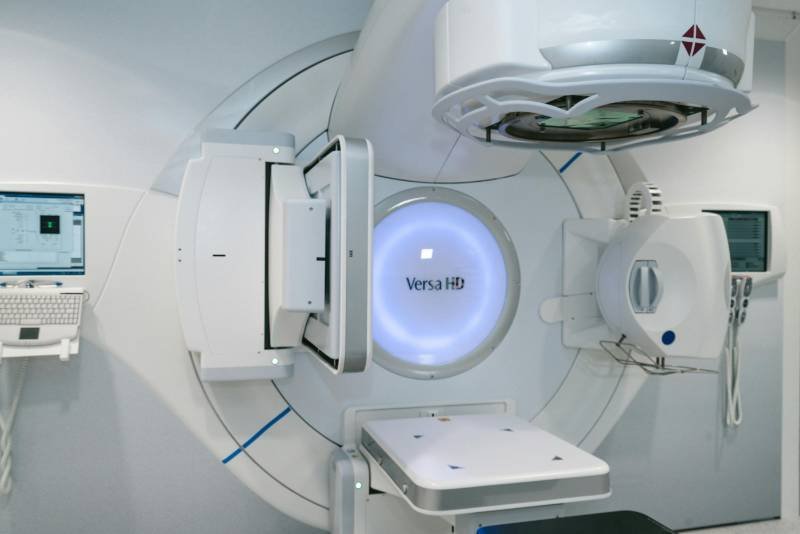
Machine Learning in Healthcare: Transforming Diagnosis and Treatment

AI & Automation
How Artificial Intelligence Is Redefining Workplace Productivity

AI & Automation
The Challenges of Bias in AI: Can Machine Learning Ever Be Truly Fair?
In filmmaking and gaming, AI is already being used for scriptwriting, character design, and immersive world-building. Studios can use AI tools to reduce production time and experiment with different narrative possibilities. For example, AI can suggest multiple plot twists, develop dialogue options for characters, or even simulate entire environments in virtual production.
** Examples
- AI-written short films gaining recognition at festivals - Game developers designing expansive landscapes with AI-generated assets - Virtual influencers created entirely by generative models
Music Industry TransformationGenerative AI tools are composing original music across genres. While some artists see it as competition, others are embracing AI as a collaborative instrument, combining human emotion with AI’s limitless technical variations. These tools can even personalize music for specific moods, events, or advertisements.
[https://www.rollingstone.com/pro/features/ai-music-industry-innovation](AI in Music Industry)
Advertising and MarketingCreative agencies are adopting generative AI for personalized campaigns, dynamic ad creation, and real-time customer engagement. By tailoring content to individual preferences, brands can achieve stronger connections with audiences. Marketers are also using AI to A/B test campaigns at scale, optimizing in real time for maximum impact.
Challenges and Ethical ConcernsGenerative AI also raises pressing ethical questions: Who owns AI-generated art? How can we prevent plagiarism or misuse? Balancing innovation with intellectual property rights is one of the biggest challenges facing creative industries today. There are also societal concerns about deepfakes, misinformation, and the potential replacement of human jobs in creative sectors.
** Key Concerns
- Ownership of AI-generated works and copyright challenges - Ethical boundaries in deepfakes and misinformation - Potential job disruption in creative fields - Balancing creativity with intellectual property rights - Ensuring transparency and credit for human collaborators
 Future Outlook
The future of generative AI in creative industries lies in collaboration, not replacement. As artists, designers, and marketers learn to integrate AI tools into their workflows, we will see hybrid forms of creativity emerge that combine human imagination with AI’s generative power. From interactive storytelling to hyper-personalized marketing campaigns, the creative industries of tomorrow will likely be co-authored by humans and intelligent machines.
[https://blockone.us/How-AI-is-Revolutionizing-Healthcare-From-Diagnosis-to-Treatment](How AI is Revolutionizing Healthcare: From Diagnosis to Treatment)
Stay in the Loop


You May Also Like
 IOT & Blockchain 12 min read| 10 Sep 2026
Stablecoins in the U.S. Explained: What the GENIUS Act Actually Changes for Your Money in 2026
Stablecoins are digital tokens designed to maintain a stable value, usually by tracking the U.S. dollar. The GENIUS Act, signed into law in July 2025, creates a federal framework for payment stablecoins, including reserve, disclosure, redemption, licensing, and compliance requirements. For Americans, the law may improve transparency and confidence, but stablecoins remain different from insured bank deposits.
 Cloud & SaaS 7 min read| 19 Aug 2026
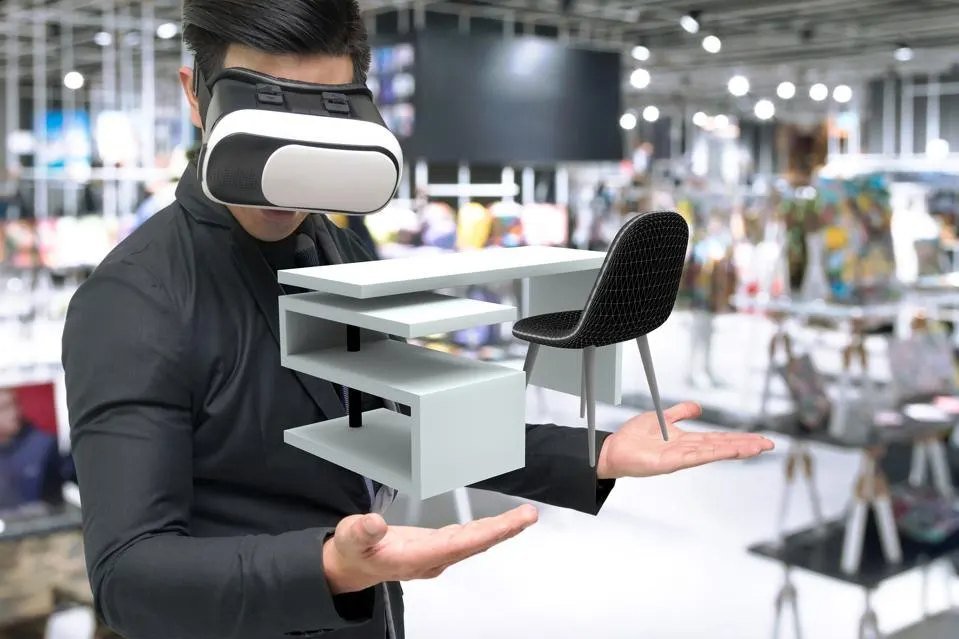
The Impact of Augmented Reality on Retail: Shopping in a Virtual World
Augmented Reality (AR) is revolutionizing the retail industry by enhancing the shopping experience and transforming how consumers interact with products. AR technology overlays digital information onto the real world, allowing shoppers to visualize and interact with products in new and innovative ways. This immersive technology is reshaping retail by providing personalized and engaging experiences for customers.
 IOT & Blockchain 5 min read| 30 Jul 2026
Is Your Industry Ready for the Blockchain Disruption?
Blockchain technology is poised to disrupt various industries by enhancing transparency, security, and efficiency.
 AI & Automation 5 min read| 25 Aug 2026
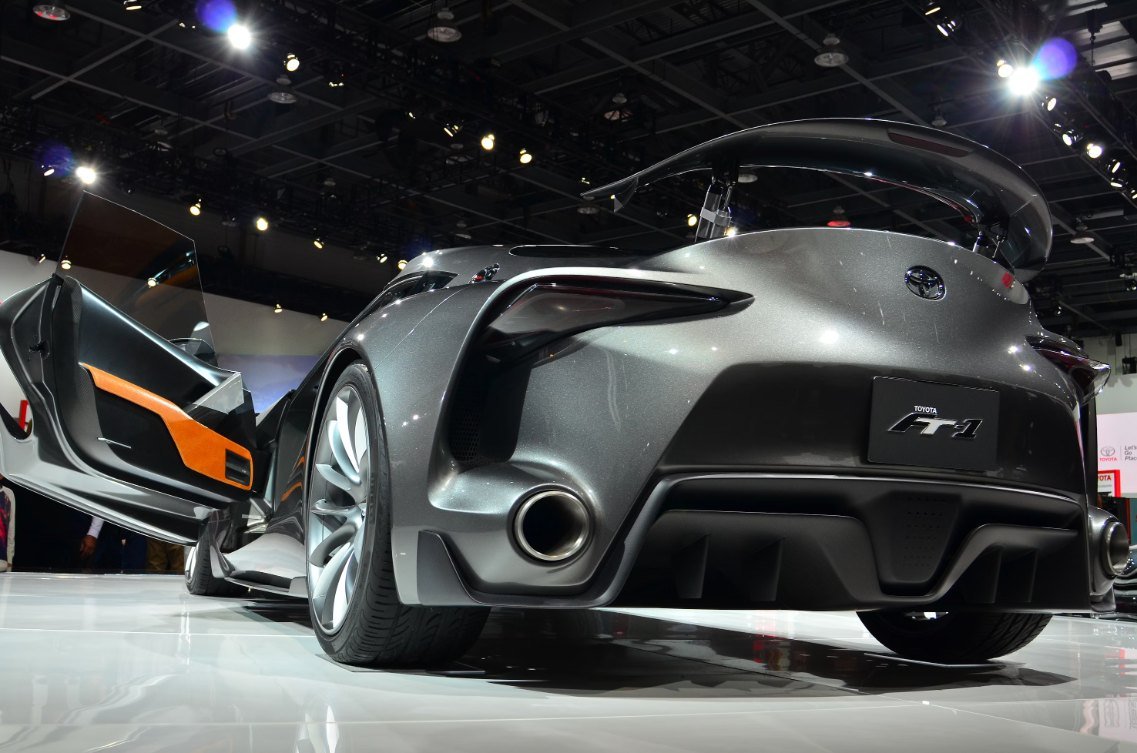
The Role of AI in Autonomous Vehicles: What’s Next for Self-Driving Cars?
Artificial Intelligence (AI) is a driving force behind the development of autonomous vehicles, promising to revolutionize transportation and mobility. Self-driving cars rely on sophisticated AI systems to navigate, make decisions, and ensure safety on the road.