

AI and Education: Revolutionizing Learning Environments
Artificial Intelligence (AI) is reshaping the landscape of education, ushering in a new era of personalized learning and innovation. In this article, we explore how AI is revolutionizing learning environments, empowering educators, and enhancing student outcomes.
Personalized Learning: AI-powered adaptive learning platforms tailor educational content and activities to meet the individual needs and learning styles of each student. By analyzing student performance data and preferences, AI algorithms can provide personalized recommendations, adaptive assessments, and real-time feedback, fostering deeper engagement and understanding.
Intelligent Tutoring Systems: AI-driven intelligent tutoring systems simulate one-on-one interactions between students and tutors, providing personalized guidance and support. These systems use natural language processing (NLP) and machine learning algorithms to understand student queries, assess their understanding, and deliver targeted instruction and remediation.
Data-Driven Insights: AI analytics tools analyze vast amounts of educational data to extract actionable insights for educators and administrators. By tracking student progress, identifying areas of improvement, and predicting learning outcomes, AI empowers educators to make informed decisions, adjust teaching strategies, and provide timely interventions.
Virtual Classrooms: AI-enabled virtual classrooms leverage video conferencing, chatbots, and virtual reality (VR) technologies to create immersive and interactive learning experiences. These virtual environments enable synchronous and asynchronous collaboration, allowing students to engage with peers and educators regardless of their geographical location.
Content Creation and Curation: AI technologies automate the creation and curation of educational content, ranging from textbooks and lesson plans to quizzes and assessments. AI-powered content creation tools generate customized learning materials tailored to specific learning objectives, ensuring relevance and alignment with curriculum standards.
Language Learning and Translation: AI-driven language learning platforms utilize speech recognition, natural language processing, and machine translation technologies to facilitate language acquisition and proficiency. These platforms offer interactive exercises, real-time feedback, and personalized coaching to enhance language learning outcomes for students of all proficiency levels.
Accessibility and Inclusion: AI technologies enhance accessibility and inclusion in education by providing accommodations for students with diverse learning needs. Text-to-speech and speech-to-text tools assist students with visual or auditory impairments, while adaptive learning platforms adjust content and pacing to accommodate individual learning preferences.
Early Intervention and Support: AI algorithms analyze student behavior and performance data to detect signs of academic struggle or disengagement early on. By flagging at-risk students and providing targeted interventions, AI enables educators to offer timely support and prevent learning gaps from widening.
Professional Development: AI-powered professional development platforms offer educators personalized learning experiences and resources to enhance their teaching practices. These platforms analyze teaching methods, student outcomes, and peer feedback to provide customized recommendations, workshops, and training modules tailored to individual needs.
In conclusion, AI is revolutionizing education by transforming learning environments, empowering educators, and improving student outcomes. From personalized learning and intelligent tutoring systems to virtual classrooms and data-driven insights, AI technologies offer unprecedented opportunities to enhance teaching and learning experiences. As AI continues to evolve, its impact on education is poised to grow, driving innovation, accessibility, and equity in learning.
Stay in the Loop



You May Also Like
 IOT & Blockchain 4 min read| 04 Oct 2025
The Data Dividend: Can Blockchain Help Us Own Our Data?
Blockchain technology offers potential solutions to empower individuals with ownership and control over their personal data, fostering privacy and fair compensation.
 Cloud & SaaS 7 min read| 18 Oct 2025
How AR and VR Are Enhancing Sports Training and Performance Analysis
Augmented Reality (AR) and Virtual Reality (VR) are making significant contributions to sports training and performance analysis, offering athletes and coaches innovative tools to enhance skills, improve performance, and gain valuable insights. By providing immersive and interactive environments, AR and VR technologies are transforming how sports training is conducted and how performance is evaluated.
 Cloud & SaaS 6 min read| 05 Oct 2025
AR for Astronauts: Training for Space Exploration on Earth
Augmented Reality (AR) technology is revolutionizing astronaut training by providing immersive and realistic simulations of space exploration missions right here on Earth. From extravehicular activities (EVAs) to spacecraft operations, AR enables astronauts to practice and prepare for the challenges of space travel in a safe and controlled environment.
 Cloud & SaaS 7 min read| 07 Oct 2025
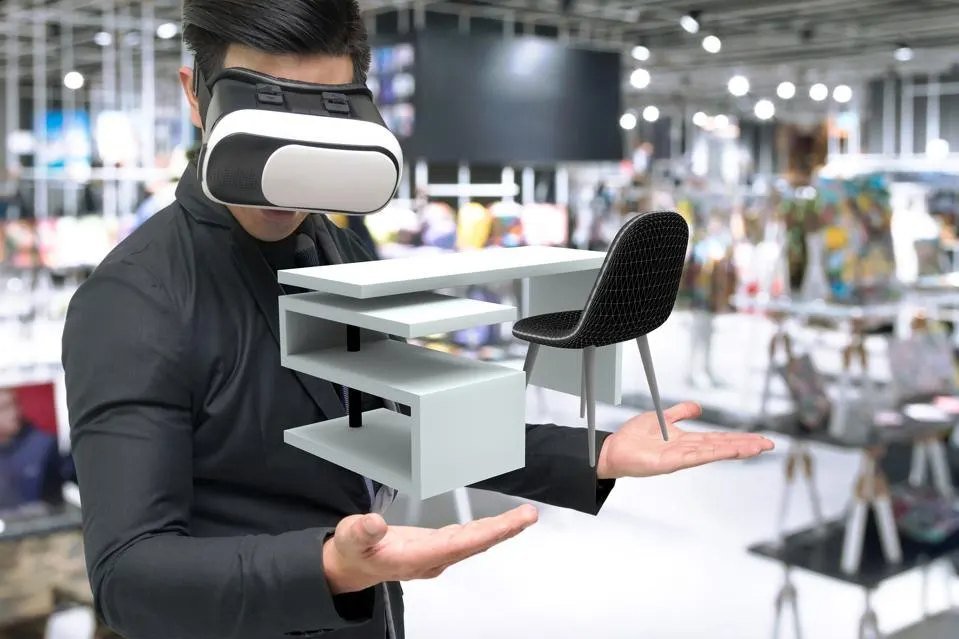
The Impact of Augmented Reality on Retail: Shopping in a Virtual World
Augmented Reality (AR) is revolutionizing the retail industry by enhancing the shopping experience and transforming how consumers interact with products. AR technology overlays digital information onto the real world, allowing shoppers to visualize and interact with products in new and innovative ways. This immersive technology is reshaping retail by providing personalized and engaging experiences for customers.