
The Intersection of AR and AI: Creating Smarter Augmented Experiences
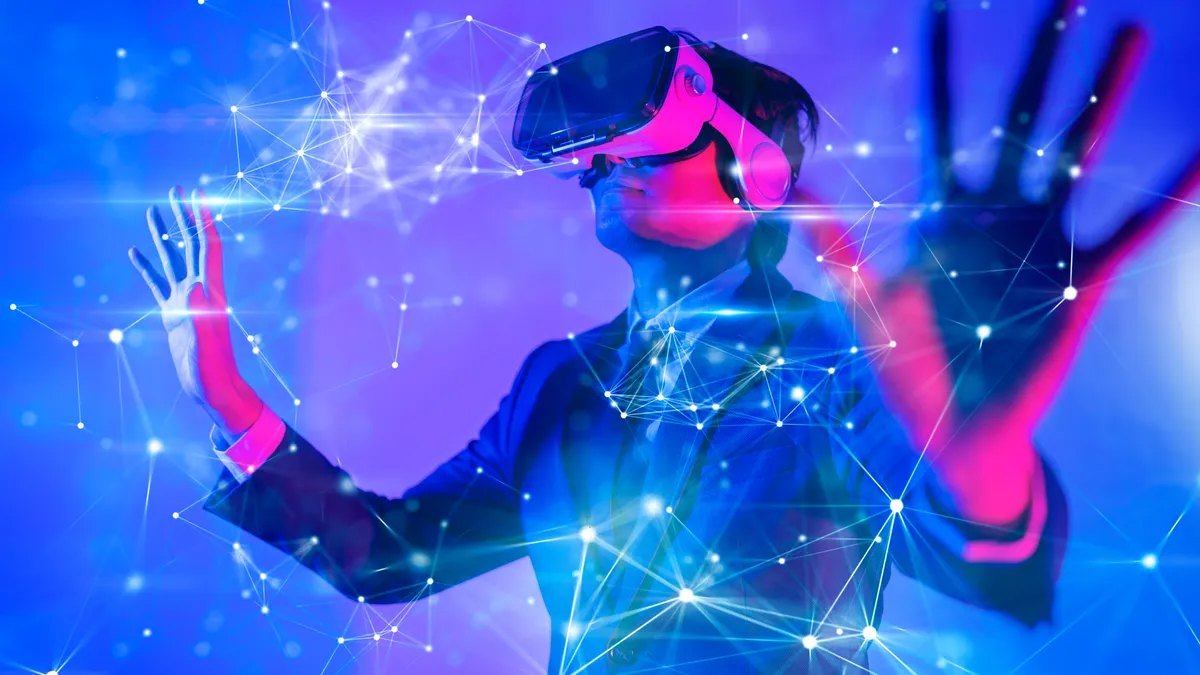
The convergence of Augmented Reality (AR) and Artificial Intelligence (AI) is leading to the development of smarter and more interactive augmented experiences. By combining the immersive capabilities of AR with the cognitive power of AI, this intersection is creating new possibilities for enhancing how we interact with digital information and the physical world.
AR technology overlays digital information onto the real world, creating immersive experiences that can enhance various aspects of daily life and industry. AI, on the other hand, provides the capability for machines to learn, reason, and make decisions based on data. When integrated, AR and AI work together to create more intelligent and responsive augmented experiences, offering new levels of interaction and personalization.
One key application of AR and AI integration is in personalized user experiences. AI algorithms can analyze user data and preferences to tailor AR content to individual needs and interests. For example, in retail, AI can track customer behavior and preferences to provide personalized AR shopping experiences. Shoppers can use AR to visualize how products will look in their homes, receive recommendations based on their preferences, and even interact with virtual sales assistants who offer tailored advice and assistance.
Another area where AR and AI are intersecting is in real-time object recognition and interaction. AI-powered image and object recognition systems enable AR applications to identify and respond to real-world objects in real time. For instance, AR apps can use AI to recognize landmarks or products and overlay relevant information or interactive elements onto them. This capability enhances the utility of AR in various applications, including navigation, education, and gaming.
In healthcare, the combination of AR and AI is proving to be transformative. AI can analyze medical data and provide insights that AR applications use to enhance visualization and decision-making. For example, during surgeries, AR systems can display AI-analyzed data such as vital signs or medical imaging results directly onto the surgeon’s field of view. This integration helps improve precision and efficiency in medical procedures, leading to better patient outcomes.
The integration of AR and AI also has significant implications for training and education. AI-powered AR simulations can provide adaptive learning experiences, where the content and difficulty level adjust based on the learner’s performance. This dynamic approach to training ensures that users receive targeted and relevant information, enhancing their learning experience and retention of knowledge.
However, the intersection of AR and AI also presents challenges, including data privacy concerns and the need for robust AI algorithms. Ensuring that user data is handled securely and that AI systems provide accurate and reliable information is crucial for the success of AR and AI applications. Additionally, the development of effective AR and AI solutions requires collaboration between experts in both fields to create seamless and innovative experiences.
In conclusion, the integration of AR and AI is creating smarter and more interactive augmented experiences that enhance various aspects of life and industry. By combining the immersive capabilities of AR with the cognitive power of AI, this intersection offers new possibilities for personalization, object recognition, and enhanced decision-making. As AR and AI technologies continue to evolve, their convergence will drive further innovation and transformation across multiple sectors.
Stay in the Loop


You May Also Like
 IOT & Blockchain 5 min read| 04 Aug 2026
Building the Trust Machine: How Blockchain is Revolutionizing Trust Systems
Blockchain technology is transforming trust systems by providing secure, transparent, and decentralized solutions.
 Cloud & SaaS 6 min read| 12 Aug 2026
Reality Remix: How AR and VR are Blurring the Lines Between Digital and Physical Worlds
Welcome to the era of Reality Remix, where Augmented Reality (AR) and Virtual Reality (VR) are reshaping our perception of the world. In this article, we'll explore how AR and VR technologies are blurring the lines between the digital and physical realms, creating immersive experiences that redefine reality as we know it.
 AI & Automation 7 min read| 16 Jun 2026
AI in Robotics: Enhancing Automation and Human Interaction
Artificial Intelligence (AI) has revolutionized the field of robotics, ushering in an era of unprecedented automation and interaction between machines and humans. This synergy between AI and robotics holds immense potential to transform various industries, from manufacturing and healthcare to agriculture and entertainment. In this article, we explore how AI is enhancing automation and human interaction in robotics.
 IOT & Blockchain 7 min read| 02 Sep 2026
Blockchain in Gaming: How Decentralized Networks Are Changing the Industry
Blockchain technology is making significant waves in the gaming industry, offering new opportunities for developers, players, and investors alike. By leveraging decentralized networks, blockchain is transforming various aspects of gaming, from in-game economies and asset ownership to game development and community engagement.