
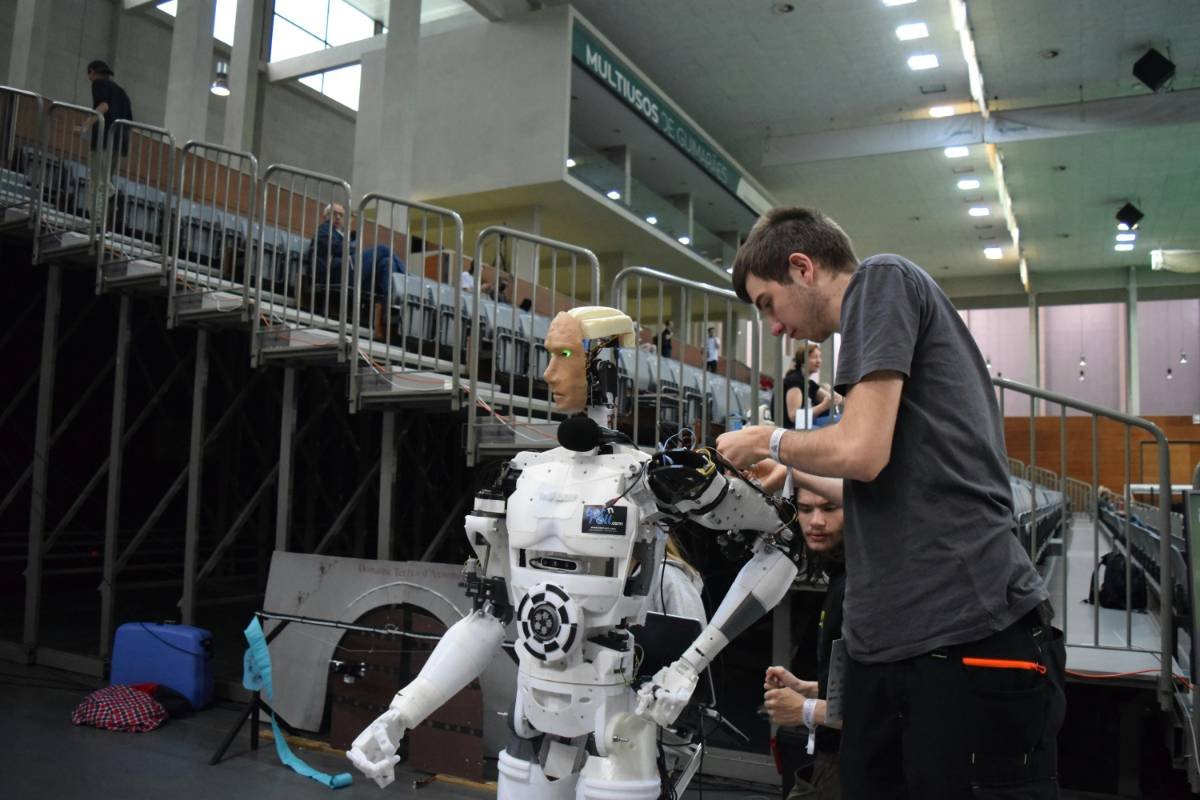
AI in Education: Personalized Learning and Intelligent Tutoring Systems
Artificial Intelligence (AI) is revolutionizing education by enabling personalized learning experiences and intelligent tutoring systems. This article explores how AI is transforming the educational landscape, enhancing teaching methods, and improving student outcomes.
Personalized Learning Experiences
AI algorithms analyze student data, such as learning preferences, strengths, and weaknesses, to create personalized learning paths. Adaptive learning platforms adjust content delivery and pace based on individual student progress, providing targeted support and fostering self-paced learning.
For example, AI-powered educational apps like Duolingo personalize language learning experiences by adapting exercises and quizzes to learners' proficiency levels and learning styles.
Intelligent Tutoring Systems (ITS)
ITS use AI to simulate human tutoring interactions, providing tailored feedback and guidance to students. Natural Language Processing (NLP) enables ITS to understand student queries and responses, offering real-time assistance and explanations.
AI-driven ITS can identify misconceptions, track learning progress, and recommend personalized study plans, enhancing student engagement and academic performance.
Enhancing Teacher Support
AI supports educators by automating administrative tasks, grading assessments, and providing insights into student performance trends. Learning analytics tools analyze data from AI-driven assessments to identify at-risk students and inform targeted interventions.
Challenges and Considerations
AI adoption in education faces challenges such as data privacy concerns, access to technology, and the need for teacher training in AI integration. Ethical considerations include ensuring AI-driven systems are transparent, unbiased, and supportive of diverse learning needs.
Future Directions
Looking ahead, AI is poised to continue transforming education: - **Virtual Classrooms:** AI-powered virtual classrooms enhance remote learning experiences with interactive lessons and personalized feedback. - **Lifelong Learning:** AI supports continuous skill development and personalized education pathways throughout individuals' careers.
Conclusion
In conclusion, AI is reshaping education by personalizing learning experiences, improving teaching effectiveness, and fostering equitable access to quality education. By addressing challenges and embracing AI's potential, educators can leverage technology to create inclusive and adaptive learning environments for all students.
Stay in the Loop


You May Also Like
 AI & Automation 3 min read| 22 Aug 2026
The Ethical Dilemmas of Artificial Intelligence: What We Need to Know
Artificial Intelligence (AI) presents numerous ethical dilemmas that need careful consideration as technology advances. From privacy concerns to bias and accountability, the ethical implications of AI are complex and multifaceted.
 AI & Automation 7 min read| 06 Sep 2026
The Challenges of Bias in AI: Can Machine Learning Ever Be Truly Fair?
The issue of bias in Artificial Intelligence (AI) and machine learning is a critical concern that affects the fairness and reliability of these technologies. As AI systems become increasingly integrated into various aspects of our lives, from hiring practices to law enforcement, it is essential to address the challenges of bias to ensure that machine learning models operate equitably and without discrimination.
 AI & Automation 6 min read| 08 Sep 2026
Machine Learning in Healthcare: Transforming Diagnosis and Treatment
*** Introduction
 IOT & Blockchain 5 min read| 15 Jun 2026
The Immutable Nature of Blockchain: Security and Data Integrity
Blockchain technology, first introduced by Satoshi Nakamoto in 2008 as the underlying technology behind Bitcoin, has revolutionized the way we think about security and data integrity. At its core, blockchain is a decentralized and distributed ledger that records transactions across a network of computers in a way that makes them immutable and tamper-proof.