
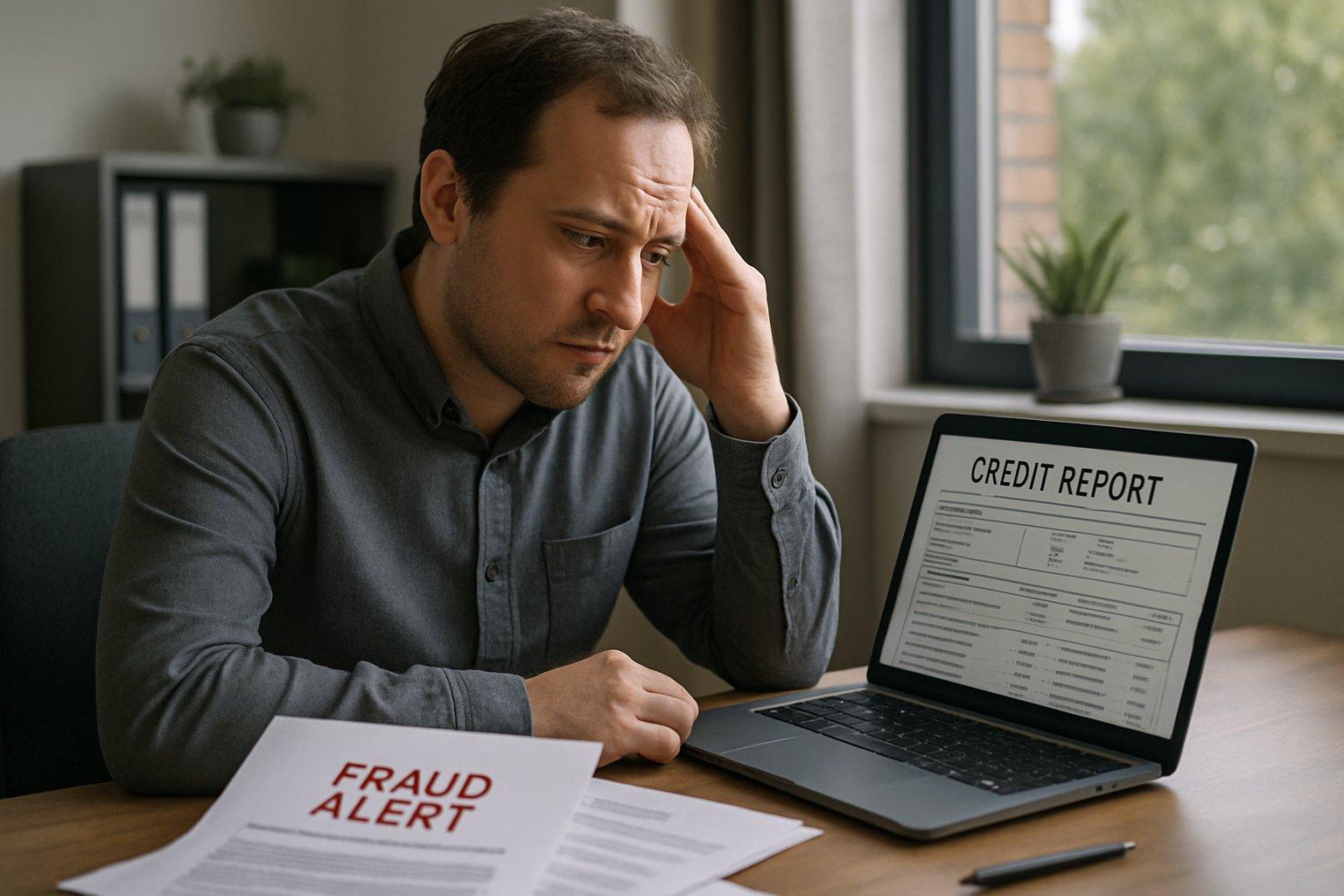
What Should You Do After Your Personal Data Is Leaked? A 2026 U.S. Identity-Theft Checklist
If your personal data is leaked, act quickly but methodically. Identify exactly what information was exposed, secure affected accounts, change reused passwords, enable multifactor authentication, freeze your credit when appropriate, review all three credit reports, watch financial and tax accounts, and report confirmed identity theft through official U.S. government channels. Keep records of every action and communication.
What a Data Leak Actually Means for YouA data breach does not automatically mean someone has already stolen your identity. It means information held by a company, government agency, healthcare organization, data broker, or other institution may have been accessed, exposed, or acquired by an unauthorized party. What you should do next depends heavily on what information was exposed.
A leaked email address is inconvenient and can lead to more phishing attempts. A leaked password can be significantly more serious, particularly if you reused that password elsewhere. A Social Security number, driver's license number, financial account information, medical information, or combination of identifiers can create a much broader identity-theft risk.
The first mistake people often make is treating every breach notice the same way. The second is assuming that because no fraudulent transaction has appeared yet, nothing needs to be done. Identity thieves may use stolen information weeks, months, or even years after an exposure.
In 2026, the risk is also increasingly tied to impersonation scams. Consumers reported losing billions of dollars to imposter scams during 2025, while total reported fraud losses also reached record levels.
That matters because a breach can provide scammers with enough personal information to make a later phone call, email, or text message sound unusually convincing.
For example, imagine that a retailer confirms your name, address, phone number, and email address were exposed. A few weeks later, someone texts you claiming to be from your bank and correctly identifies your name and ZIP code. The message asks you to verify your account through a link.
The leaked information makes the message more believable. It does not make the message legitimate.
Your response should therefore address both identity theft and the secondary phishing and impersonation attempts that can follow.
The 2026 U.S. Personal-Data Leak ChecklistWhat Happens When Your AI Agent Gets Access to Your Email, Files and Apps? The New Security Problem Businesses Need to Understand
ChatGPT vs. Claude for Work: Which AI Is Actually Better for U.S. Businesses in 2026?
How Much Are U.S. Companies Really Spending on AI in 2026? The Numbers Behind the AI Spending Boom
Can AI Agents Actually Replace Business Software in 2026? What the “SaaSpocalypse” Debate Gets Right—and Wrong
Start by determining exactly what happened.
Do not rely solely on the headline or subject line of the company's notification. Look for the section describing the categories of information involved, the approximate date of the incident, whether the information was encrypted, and whether the company is offering affected customers any assistance.
The difference between email address and name exposed and Social Security number and financial information exposed is substantial.
Look for information such as:
• Name and mailing address
• Email address and phone number
• Username or password
• Social Security number
• Driver's license or state ID information
• Passport information
• Bank account or routing information
• Credit or debit card information
• Medical or health-insurance information
• Tax identification information
• Biometric information
Also determine whether the notice says the information was merely accessible during an incident or whether the organization has confirmed that unauthorized parties acquired it.
Do not assume a breach notice itself is authentic. If the message asks you to click a link, provide sensitive information, or pay for protection, independently visit the organization's official website or contact it using a phone number you already know is legitimate.
This is especially important because scammers can exploit public knowledge of major breaches by sending fake breach settlement, credit monitoring, or account recovery messages.
💡 Discover More from Cybersecurity

AI & Automation
AI Agents vs. AI Assistants: What’s the Difference—and Which One Should Your Business Use in 2026?

AI & Automation
The Future of Generative AI in Creative Industries
AI & Automation
Machine Learning in Healthcare: Transforming Diagnosis and Treatment

AI & Automation
How Artificial Intelligence Is Redefining Workplace Productivity
Not every leaked data element creates the same level of risk.
A useful way to think about a breach is to separate the information into three broad categories.
Lower-risk information includes details such as your name, general address, or email address. This information can still facilitate phishing and impersonation, but it is widely available in many circumstances.
Account-access information includes passwords, security questions, authentication information, session credentials, and recovery information. This can create an immediate account-takeover risk.
High-impact identity information includes Social Security numbers, financial information, government identification numbers, and certain healthcare or tax records. These can potentially be used to create new accounts, commit tax fraud, obtain services, or impersonate you.
Unexpected bills, unfamiliar charges, sudden credit-score changes, unusual Social Security activity, unexpected account lockouts, and suspicious requests for personal information can all be warning signs of identity theft and cyber fraud.
The important point is that the response should match the exposure.
If your email address was leaked, changing your email address may be unnecessary. If a password was exposed, changing that password, and every other account using it, should be a priority. If your Social Security number was compromised, credit protection and identity-theft monitoring deserve much more attention.
 3. Secure the Accounts Connected to the Leak
If a password was exposed, change it immediately.
Do not simply change Password123 to Password124. Use a genuinely new password or passphrase, and do not reuse it on other websites.
Password reuse is particularly dangerous after a breach because criminals frequently attempt credential stuffing: taking a username and password combination obtained from one service and trying it against other services.
Think about where you have reused the exposed password. Your email account should be treated as especially important because access to email can allow someone to reset passwords for other accounts.
Prioritize:
1. Primary email account
2. Banking and investment accounts
3. Credit-card accounts
4. Mobile-carrier account
5. Major shopping accounts
6. Cloud-storage accounts
7. Social media accounts
8. Government and tax accounts
Enable multifactor authentication wherever it is available. An authenticator app or security key can provide stronger protection than relying solely on passwords or SMS codes, although any additional authentication layer is generally better than password-only access.
Also review account recovery information. Make sure recovery email addresses, phone numbers, trusted devices, and authentication methods belong to you.
If an attacker has already gained access, changing the password may not be enough. Check for unfamiliar sessions, forwarding rules, newly created recovery methods, unauthorized devices, or changes to account settings.
4. Freeze Your Credit When the Risk Justifies ItOne of the most important steps after exposure of a Social Security number or other high-value identity information is considering a security freeze, commonly called a credit freeze.
A credit freeze restricts prospective creditors from accessing your credit file, making it substantially harder for an identity thief to open many new credit accounts in your name.
Under federal law, security freezes are free at Equifax, Experian, and TransUnion. You must contact each bureau separately because freezing one does not automatically freeze the other two.
A freeze does not mean your credit is permanently locked. You can temporarily lift or remove it when you legitimately need a lender or other authorized party to access your report.
It also does not prevent every type of identity theft. Someone could still attempt account takeover, tax fraud, medical identity theft, or scams that do not require a conventional credit inquiry.
That distinction is important.
A credit freeze is a strong tool for preventing new-credit fraud, not a universal identity-theft solution.
Credit Freeze vs. Fraud AlertA fraud alert works differently.
An initial fraud alert is free and generally lasts one year. You only need to contact one nationwide credit reporting company, which must notify the other two. The alert tells businesses to take additional steps to verify your identity before extending certain forms of credit.
An extended fraud alert can last seven years for qualifying identity-theft victims and requires documentation such as an Identity Theft Report.
For many people, the decision is straightforward:
• Want maximum protection against new-account fraud? Consider freezing all three credit files.
• Want an additional identity-verification warning without maintaining a freeze? Consider a fraud alert.
• Already have confirmed identity theft? Consider an extended fraud alert in addition to other recovery steps.
Do not pay for a credit lock simply because you believe it is necessary. Paid credit locks are not more effective than federally protected security freezes, which are free.
5. Pull All Three Credit ReportsAfter a significant breach, review your credit reports for accounts, inquiries, addresses, and other information you do not recognize.
Use AnnualCreditReport.com, the federally authorized source for free credit reports from Equifax, Experian, and TransUnion. Consumers can check their reports weekly at no cost through the official service.
Do not look only for unfamiliar credit-card accounts.
Watch for:
• Hard inquiries you did not authorize
• Personal addresses you do not recognize
• New loans
• Collection accounts
• Store-financing accounts
• Utility accounts
• Auto loans
• Medical-related debts
• Credit-limit changes
• Accounts reported as delinquent
An unfamiliar address can sometimes be an early warning sign that someone has used your identity elsewhere.
If you discover fraudulent information, document it before contacting the creditor. Save screenshots, statements, dates, account numbers, and correspondence.
Dispute inaccurate information with both the credit reporting company and the organization that supplied the information.
For identity-theft-related debts, an FTC Identity Theft Report can also support a request to block fraudulent information from your credit report. Credit reporting companies generally must block identity-theft information within four business days after receiving the required request and documentation.
An FTC Identity Theft Report can also provide useful documentation when dealing with creditors and other organizations.
 6. Report Confirmed Identity Theft Through IdentityTheft.gov
If you discover that someone actually used your personal information, report it through IdentityTheft.gov.
The FTC's system creates an Identity Theft Report and recovery plan based on the information you provide. The report can be useful when dealing with creditors, businesses, debt collectors, and credit reporting companies.
This is different from merely receiving a breach notification.
A breach means your information may have been exposed.
Identity theft means someone has actually used your information fraudulently.
If fraudulent activity has occurred, create a detailed record of:
• When you discovered the problem
• Which account was affected
• What transaction or account was fraudulent
• Which company you contacted
• The representative's name or reference number
• The date and time of each conversation
• Documents you submitted
• The company's response
• Any deadlines you were given
For serious cases, you may also choose to file a police report. Take your Identity Theft Report, government-issued photo ID, proof of address, and evidence of the theft when making a police report.
7. Protect Your Bank and Payment AccountsIf banking or payment information was exposed, contact the financial institution through an official channel.
Do not use a phone number provided in a suspicious text message.
Ask the institution what information was compromised and whether it recommends replacing your card, changing account credentials, closing the account, or adding additional security measures.
Review transactions carefully.
Small unauthorized transactions can matter. Criminals sometimes test whether a payment method works before attempting larger transactions.
Set up transaction alerts where available. Depending on the institution, you may be able to receive notifications for purchases, withdrawals, transfers, password changes, or new payees.
If a debit card or bank-account number was compromised, treat the situation differently from a stolen credit-card number because unauthorized access to a deposit account can directly affect available cash.
If you receive a call claiming that your bank account is under attack, do not automatically trust the caller simply because they know some of your personal information.
Fake bank-security alerts are among the costly forms of impersonation scams.
If you need to contact your bank, independently locate its official phone number.
8. Treat Your Email and Phone Number as Security AssetsA compromised email account can become a gateway to other accounts.
Check your email for password-reset messages you did not initiate. Review forwarding rules and filters. Look for unfamiliar recovery addresses and devices.
If your email password was reused elsewhere, change those passwords as well.
Your phone number deserves similar attention. Criminals can attempt social engineering against mobile carriers to take control of a number or persuade customer-service representatives to make unauthorized changes.
Consider adding an account PIN or other security feature offered by your mobile carrier.
You should also be skeptical of unexpected text messages, especially messages claiming to be from banks, delivery companies, government agencies, employers, insurers, or technology companies.
A breach can make scam messages more personalized. Personalization is not proof of legitimacy.
9. Protect Yourself From Tax Identity TheftA stolen Social Security number can potentially be used in tax-related identity theft.
The IRS offers an Identity Protection PIN, or IP PIN, designed to prevent someone else from filing a federal tax return using your SSN or ITIN. It is a six-digit number known to you and the IRS. Anyone with an SSN or ITIN who can verify their identity is eligible to request one.
The IP PIN is particularly worth considering after a breach involving your Social Security number.
Remember that an IP PIN is not a replacement for a credit freeze. They address different risks.
The credit freeze helps restrict access to your credit files.
The IP PIN helps protect against fraudulent federal tax-return filing.
If you receive an unexpected IRS notice concerning a return you did not file, do not ignore it. Follow the IRS's official identity-theft procedures and avoid responding to unsolicited callers or messages asking for your tax information or IP PIN.
The IRS will not ask for your IP PIN by phone, email, or text.
10. Consider Medical Identity Theft SeparatelyMedical identity theft can be overlooked because people tend to associate identity theft exclusively with credit cards and loans.
If a breach involved health insurance information, medical records, insurance member numbers, or other healthcare identifiers, review your insurance statements and medical records for services you did not receive.
Look for:
• Medical visits you do not recognize
• Prescription claims you did not make
• Insurance claims for unfamiliar services
• Providers you have never visited
• Changes to insurance information
Certain healthcare organizations are subject to federal breach-notification requirements under HIPAA.
If someone used your personal information to obtain medical care or benefits, use IdentityTheft.gov for a recovery plan.
Contact the insurer and healthcare provider through official channels and ask them to investigate unfamiliar records.
11. Be Careful With the Free Protection Offered After a BreachMany organizations offer affected customers free credit monitoring or identity-theft services.
These offers can be useful, particularly when they provide monitoring for the specific information exposed in the breach.
But understand what the service actually provides.
Credit monitoring can alert you to activity appearing on your credit file. It does not necessarily prevent identity theft.
Likewise, identity-monitoring services may alert you to certain risks without stopping a criminal from using your information.
Examine paid identity-protection services carefully, including trial periods, fees, and cancellation requirements.
A free monitoring service offered because you were affected by a breach is one thing. A stranger calling you unexpectedly and demanding payment for identity restoration is another.
12. Build a Breach Recovery FileOne practical step that is rarely emphasized enough is organization.
Create a secure folder containing:
• The original breach notification
• Screenshots of relevant account activity
• Credit reports
• FTC Identity Theft Report
• Police report, if applicable
• Fraudulent statements
• Dispute letters
• Confirmation numbers
• Emails with affected companies
• Dates and times of phone calls
• Notes about promised follow-up
Keep this information somewhere secure.
If the situation becomes complicated, your records can save substantial time. They also prevent you from having to reconstruct the timeline months later.
For example, suppose you discover an unfamiliar credit-card account in October. The creditor says it was opened in August. Your breach notification says your Social Security number was exposed in May. Your organized records allow you to establish the sequence clearly rather than trying to remember events from memory.
What Not to Do After a Data BreachA calm response is generally better than reacting to every message that arrives.
Do not:
• Click links in unexpected breach-related emails.
• Give your Social Security number to an unsolicited caller.
• Give an agent a one-time authentication code.
• Move money because someone says it will protect your account.
• Pay an unexpected fee to activate credit monitoring.
• Assume a caller is legitimate because they know your name or address.
• Use the same password after changing it on one account.
• Assume a credit freeze protects every type of identity theft.
• Ignore unfamiliar bills simply because they are small.
• Throw away breach notices and account records.
Criminals may impersonate banks, customer-support representatives, or technical-support staff and use social engineering to obtain personal information.
The safest habit is simple: when an unexpected message creates urgency, stop and verify independently.
A Practical 24-Hour Response PlanIf you have just received a serious breach notification, you do not need to complete every recovery step simultaneously.
In the first hour, determine what information was exposed and confirm the breach notification is legitimate.
If passwords were exposed, change them immediately, starting with email and financial accounts.
Enable multifactor authentication.
During the same day, review your financial accounts and recent transactions.
Obtain your credit reports.
If highly sensitive identity information was exposed, consider placing a freeze with all three nationwide credit reporting companies.
Consider an IRS IP PIN if your SSN or ITIN was exposed.
Within the next few days, file an FTC report if identity theft has actually occurred.
Contact affected creditors and financial institutions.
Dispute fraudulent accounts and transactions.
Review medical and insurance records if healthcare information was involved.
Save every piece of documentation.
Over the following months, continue monitoring accounts and credit reports.
Be particularly cautious about targeted phishing attempts.
Watch for unfamiliar debt-collection letters, tax notices, medical bills, account-reset messages, and changes to your financial accounts.
The goal is not to spend every day worrying about your identity. The goal is to establish enough protective controls that suspicious activity becomes easier to detect and harder to exploit.
A personal-data leak is not necessarily a financial disaster, but it should not be treated as a routine notification either.
The most effective response is layered. Secure compromised accounts first. Freeze your credit when appropriate. Review all three credit reports. Protect tax and healthcare information when relevant. Report confirmed identity theft through official government channels. Keep careful records. And assume that convincing phishing attempts may follow.
The most important mindset is to distinguish exposure from actual misuse while preparing for both.
A breach may never lead to fraudulent activity. But if someone does attempt to use your information, having your accounts secured, credit files protected, records organized, and recovery steps understood can make the difference between a manageable incident and a prolonged identity-theft problem.
In 2026, consumers also need to recognize that identity theft increasingly overlaps with impersonation fraud. Stolen information can make a scammer sound credible without making the communication legitimate. The safest approach remains independent verification: use the official website, official app, or trusted phone number rather than the contact information supplied by an unexpected message.
Your objective is not to make your personal information impossible to expose. In today's digital economy, that is unrealistic. The practical objective is to reduce the ways exposed information can be turned into financial, tax, medical, or account-access harm and detect misuse as early as possible.
Stay in the Loop


You May Also Like
 IOT & Blockchain 6 min read| 04 Sep 2026
Understanding the Legal and Regulatory Landscape of Blockchain Technology
Blockchain technology has rapidly evolved, offering innovative solutions across various sectors such as finance, supply chain, and healthcare. As its adoption grows, understanding the legal and regulatory landscape surrounding blockchain becomes increasingly important. Navigating this complex environment involves addressing legal challenges, regulatory requirements, and compliance issues to ensure that blockchain implementations are both effective and lawful.
 AI & Automation 5 min read| 04 Aug 2026
Machine Learning in Supply Chain Management: Optimization and Efficiency
Machine Learning (ML) is revolutionizing supply chain management by optimizing operations, enhancing efficiency, and improving decision-making processes. This article explores the transformative impact of ML in supply chain management, from demand forecasting and inventory optimization to logistics planning and predictive maintenance.
 AI & Automation 5 min read| 03 Aug 2026
AI in Marketing: Targeted Advertising and Customer Insights
Artificial Intelligence (AI) is revolutionizing marketing strategies by enhancing targeted advertising, improving customer insights, and optimizing campaign performance. This article explores the transformative role of AI in marketing, from personalized recommendations and predictive analytics to automated content generation and customer relationship management (CRM).
 Cybersecurity 4 min read| 26 Jul 2026
Unveiling the Future: Exploring the Latest Breakthroughs in Tech and Science
Welcome to the forefront of innovation, where the latest breakthroughs in technology and science are shaping the future of humanity. From artificial intelligence and biotechnology to space exploration and quantum computing, cutting-edge discoveries and advancements are paving the way for a new era of possibilities. In this article, we'll delve into some of the most exciting developments in tech and science and explore their potential impact on our world.