
The Rise of VR Concerts: How Virtual Reality Is Changing Live Music Experiences
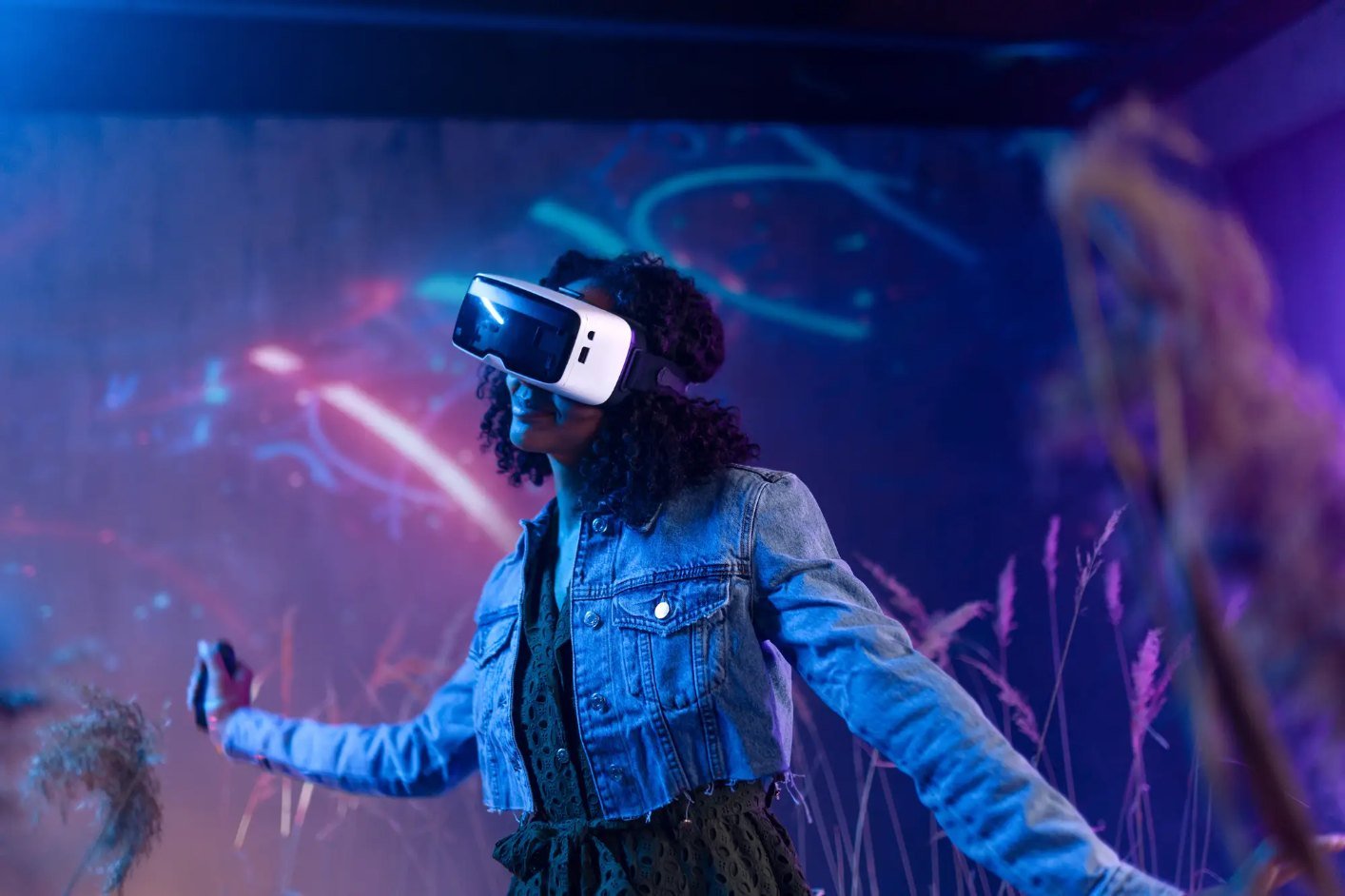
Virtual Reality (VR) is revolutionizing the live music industry by offering immersive and interactive concert experiences that transcend physical limitations. As VR technology advances, it is reshaping how audiences experience live music performances, providing new ways to enjoy concerts and engage with artists. The rise of VR concerts is transforming the live music landscape, offering unique and innovative experiences for music fans around the world.
One of the most significant changes brought about by VR concerts is the ability to attend live performances from anywhere in the world. With VR headsets and streaming technology, fans can experience concerts as if they were physically present, regardless of their location. This virtual attendance allows music enthusiasts to enjoy live shows by their favorite artists without the need for travel or dealing with ticket availability issues. VR concerts break down geographical barriers and make live music more accessible to a global audience.
VR concerts also offer enhanced interactivity and engagement compared to traditional live performances. Virtual environments can be designed to create unique and immersive concert experiences, including interactive elements such as virtual meet-and-greets, backstage tours, and fan participation activities. For example, VR concertgoers might have the opportunity to interact with digital avatars of their favorite artists or participate in virtual live Q&A sessions. These interactive features create a more personalized and engaging experience for fans, making them feel more connected to the performance and the artist.
The visual and auditory aspects of VR concerts also contribute to a more immersive experience. Advanced VR technology allows for high-quality 3D audio and 360-degree visual environments that enhance the overall concert experience. Fans can view performances from different angles, including on-stage perspectives or panoramic views of the venue, providing a more dynamic and varied experience compared to traditional concert videos. The combination of immersive visuals and spatial audio creates a more engaging and memorable concert experience.
For artists and performers, VR concerts offer new opportunities for creativity and innovation. Artists can experiment with virtual stage designs, interactive elements, and multimedia content to create unique and imaginative performances that go beyond the constraints of physical venues. VR concerts also provide a platform for artists to reach wider audiences and connect with fans in new ways. For example, VR performances can be live-streamed to fans around the world, expanding an artist's reach and engagement potential.
However, the rise of VR concerts also presents challenges. The cost of VR equipment and the need for high-quality streaming infrastructure can be barriers for both artists and fans. Additionally, creating compelling and engaging VR concert experiences requires specialized skills and resources, which may be a challenge for some performers and production teams. Ensuring that VR concerts are accessible and affordable for a broad audience is essential for maximizing their impact and reach.
In conclusion, VR concerts are changing the live music industry by offering immersive and interactive experiences that enhance how fans enjoy and engage with live performances. By providing global accessibility, interactivity, and innovative visual and auditory elements, VR concerts are reshaping the concert experience and expanding the possibilities for both artists and audiences. As VR technology continues to advance, the future of live music is set to become even more dynamic and immersive.
Stay in the Loop


You May Also Like
 AI & Automation 5 min read| 05 Oct 2025
The Intersection of AI and Ethics in Autonomous Weapon Systems
The development and deployment of Autonomous Weapon Systems (AWS) powered by Artificial Intelligence (AI) raise critical ethical concerns and policy considerations. This article explores the intersection of AI and ethics in AWS, examining debates surrounding autonomy, accountability, humanitarian implications, and international regulations in the context of military and defense technologies.
 Cloud & SaaS 4 min read| 10 Sep 2025
Enhancing Real Estate: The Role of AR and VR in Property Visualization
In recent years, augmented reality (AR) and virtual reality (VR) have revolutionized the real estate industry by transforming the way properties are visualized and experienced. These immersive technologies offer innovative solutions for both buyers and sellers, enhancing the property viewing process and revolutionizing the way real estate is marketed and sold.
 AI & Automation 4 min read| 26 Sep 2025
The Challenges of AI Governance and Regulation
Artificial Intelligence (AI) governance and regulation present complex challenges as governments and organizations navigate ethical, legal, and societal implications of AI technologies. This article examines the critical issues surrounding AI governance, from data privacy and algorithmic transparency to international cooperation and policy frameworks.
 AI & Automation 3 min read| 07 Oct 2025
The Rise of AI in Creative Industries: Can Machines Be Truly Creative?
Artificial Intelligence (AI) is making significant strides in creative industries, challenging traditional notions of creativity. As AI systems become more sophisticated, they are increasingly being used to generate art, music, literature, and other forms of creative content.