
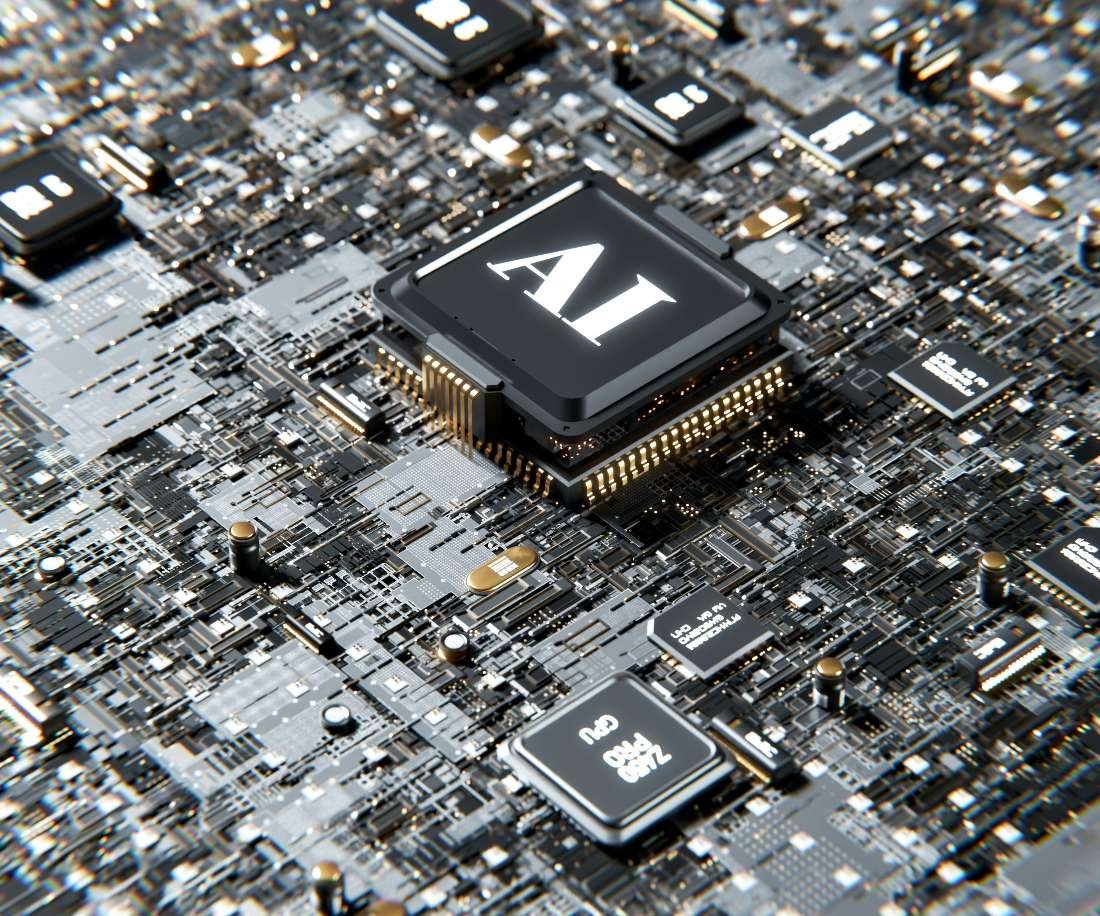
Cyber-Physical Systems: Bridging Physical and Digital Worlds
Cyber-physical systems (CPS) represent a convergence of computational algorithms and physical components, enabling seamless integration and interaction between the digital and physical worlds. By connecting sensors, actuators, and processors with computational networks, CPS enhance efficiency, monitoring, and control across various domains, from smart cities and transportation systems to healthcare and industrial automation.
Understanding Cyber-Physical Systems
Cyber-physical systems integrate physical processes with computing and communication capabilities, creating intelligent systems that monitor, analyze, and respond to real-world events in real-time. CPS combine elements of embedded systems, control theory, and networked systems to improve performance, reliability, and adaptability in complex environments.
Applications Across Industries
CPS find applications across diverse industries. In smart cities, CPS manage infrastructure such as transportation networks and energy grids, optimizing resource usage and enhancing sustainability. In healthcare, CPS support remote patient monitoring and personalized treatment delivery through interconnected medical devices and data analytics.
Key Technologies and Components
Key technologies in CPS include sensor networks, IoT devices, cloud computing, and advanced analytics. These technologies enable real-time data collection, analysis, and decision-making, facilitating autonomous operation, predictive maintenance, and adaptive control in cyber-physical systems.
Challenges and Considerations
Implementing cyber-physical systems faces challenges such as interoperability of heterogeneous devices, cybersecurity vulnerabilities, and regulatory compliance. Addressing these challenges requires robust standards, secure communication protocols, and interdisciplinary collaboration among engineers, data scientists, and policymakers.
Future Trends and Innovations
Looking ahead, cyber-physical systems are evolving with advancements in AI, edge computing, and 5G connectivity. Future CPS will leverage AI-driven automation, edge intelligence for real-time processing, and digital twins for virtual modeling and simulation, enabling more responsive, efficient, and resilient systems.
Ethical and Societal Implications
As CPS adoption expands, ethical considerations regarding data privacy, algorithmic bias, and socio-economic impacts become increasingly important. Ensuring transparency, accountability, and inclusivity in CPS development and deployment is essential to build trust and mitigate potential risks to individuals and communities.
Conclusion
In conclusion, cyber-physical systems represent a transformative approach to integrating digital intelligence with physical environments, driving innovation, efficiency, and sustainability across industries. As CPS technology continues to advance, the potential for enhancing productivity, improving quality of life, and addressing global challenges is immense, marking a pivotal shift towards interconnected and adaptive systems that bridge the physical and digital realms.
CPS are not just a technological evolution but a foundational framework for building smarter, more responsive, and interconnected environments that enhance human capabilities and shape the future of digital transformation.
Stay in the Loop


You May Also Like
 AI & Automation 4 min read| 28 Sep 2025
AI in Human Resources: Streamlining Recruitment and Employee Management
Artificial Intelligence (AI) is revolutionizing human resources (HR) by automating and optimizing recruitment processes, enhancing employee management, and fostering workplace efficiency. This article explores the transformative impact of AI in HR, from AI-driven recruitment tools and predictive analytics to personalized employee experiences and talent development strategies.
 Cybersecurity 6 min read| 16 Sep 2025
The Future of Home Living: Exploring the Latest Smart Technologies
Welcome to the future of home living, where cutting-edge smart technologies are transforming houses into intelligent, interconnected spaces that enhance comfort, convenience, and sustainability. From smart appliances and home automation systems to Internet of Things (IoT) devices and voice assistants, the latest innovations in home technology are reshaping the way we live and interact with our living spaces. In this article, we'll explore some of the most exciting developments in smart home technology and their potential impact on the future of residential living.
 Cloud & SaaS 6 min read| 14 Oct 2025
How VR is Shaping the Future of Travel: Virtual Destinations and Experiences
Virtual Reality (VR) is transforming the travel industry by offering innovative ways to explore destinations and experiences. As VR technology advances, it is reshaping how we perceive and engage with travel, providing immersive and interactive experiences that bring distant locations and adventures right into our homes.
 Cloud & SaaS 4 min read| 03 Oct 2025
AR-Enhanced Storybooks: Bringing Children's Literature to Life
Augmented Reality (AR) technology is revolutionizing the world of children's literature by transforming traditional storybooks into interactive and immersive experiences. AR-enhanced storybooks bring characters and scenes to life, sparking children's imagination and creativity like never before.